
Morley HayesBiodiversity
A place to play a round with nature
Every day we get compliments from our guests and golfers praising the beautiful views at Morley Hayes, but there is a whole lot more to our site than our freshly mown greens and picturesque fairways.
In fact, our golf courses make up less than half of the land on our 300-acre estate, meaning there is plenty of space for wildlife to thrive here at Morley Hayes.
While it's all about birdies and eagles on the fairways and the greens, elsewhere no fewer than 500 different species of flora and fauna have either been seen or have left traces of their presence here.
According to the GEO Foundation for Sustainable Golf - the leading global certification body for sustainable golf - a strong benchmark for a golf course with active habitat management is around 300 species, which means we are way out in front.
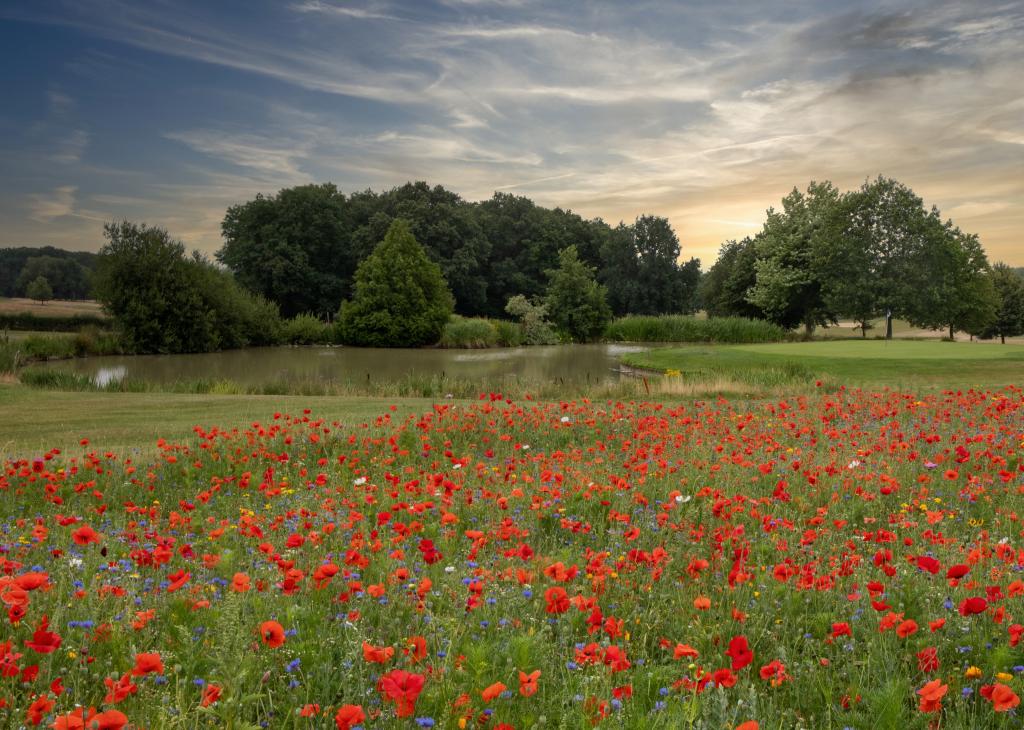
We have our site's position to thank for this. Not only do we have different habitats here at Morley Hayes, from our gardens to our ancient woodland and our wildflower meadows, we also sit at the very centre of a network of designated Local Wildlife Sites.
This means Morley Hayes acts as a living corridor between them, allowing species to move, breed and thrive across the wider Derbyshire countryside.
Add to that our veteran oak trees, some over 200 years old, our six wildlife-rich ponds fed by Stanley Brook, and Hayes Wood - an ancient woodland that has stood continuously since before 1600 - and it is little wonder that wildlife loves it here as much as our golfers do.
We’re proud to have had red kites nesting here for two years running, soaring over both golf courses on their great russet wings, while Peregrine falcons visit in increasing numbers.
Otters have bred in our ponds, rare fungi found nowhere else in Derbyshire grow quietly beneath our veteran oaks and on almost any morning round, our golfers share the fairways with fallow deer, brown hares and bullfinches.
This extraordinary richness of wildlife is not an accident. It is the result of decades of careful land management, including reducing mowing, restoring woodland, managing meadows for wildflowers and working in close partnership with the Derbyshire Wildlife Trust.
Sustainability
-
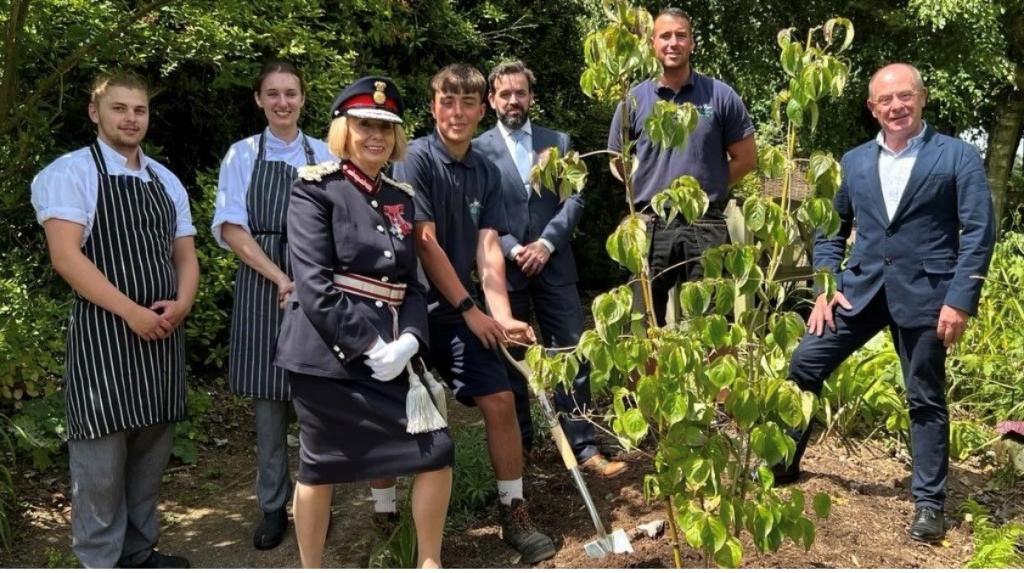 The Queens Green Canopy
 -
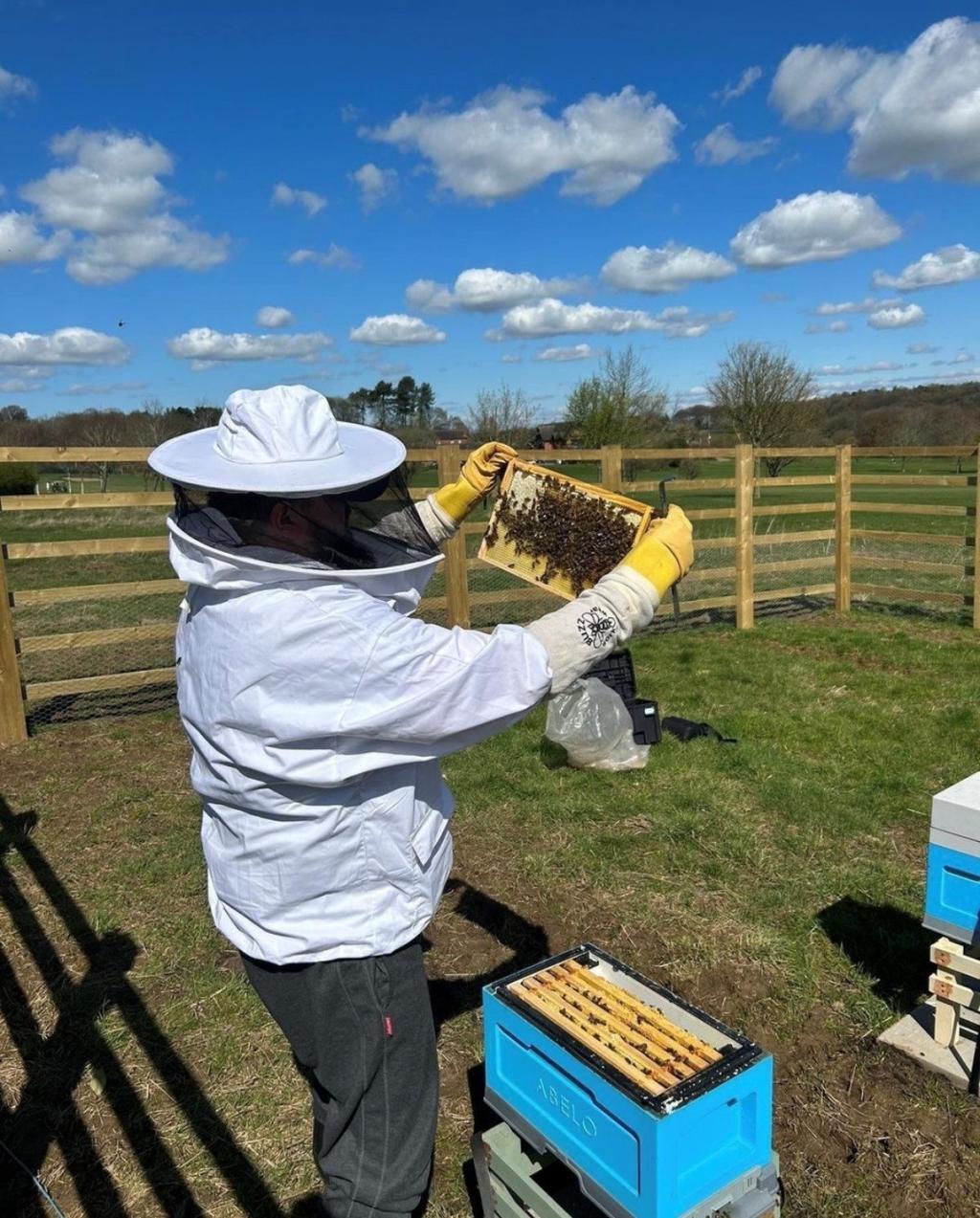 Morley Hayes Bees
 -
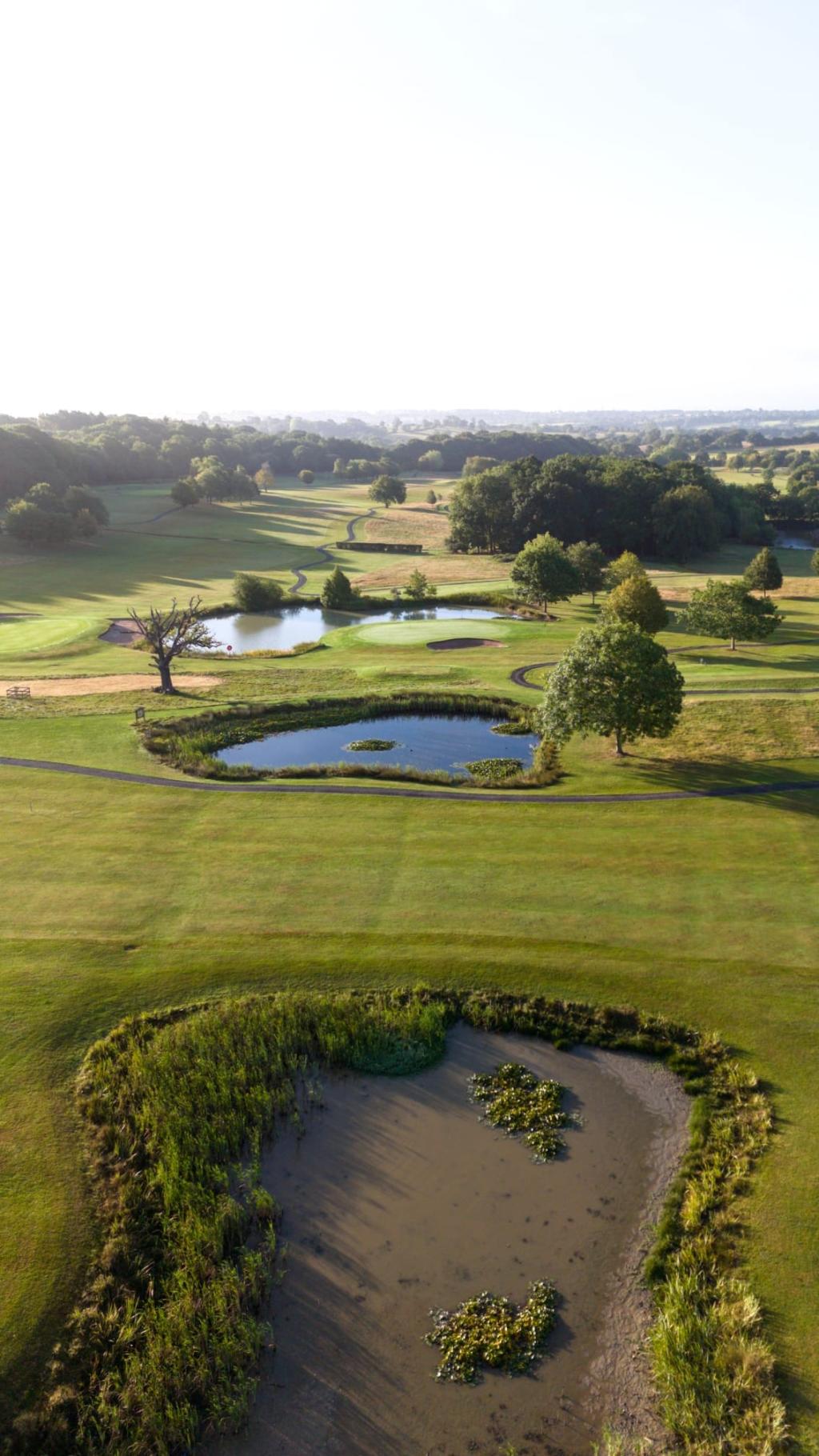 Morley Hayes Land
 -
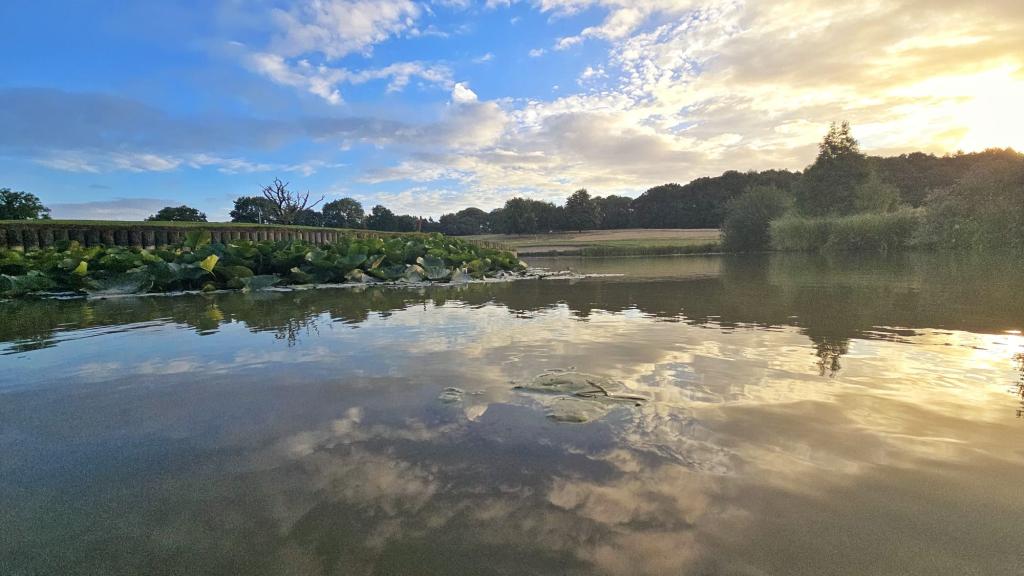 Morley Hayes Lake
 -
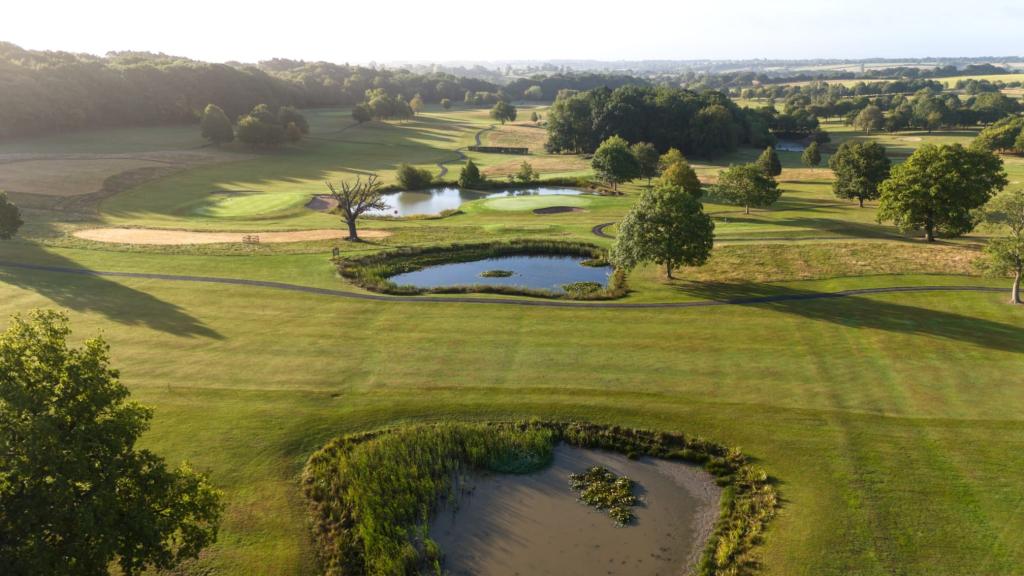 Morley Hayes Land
 -
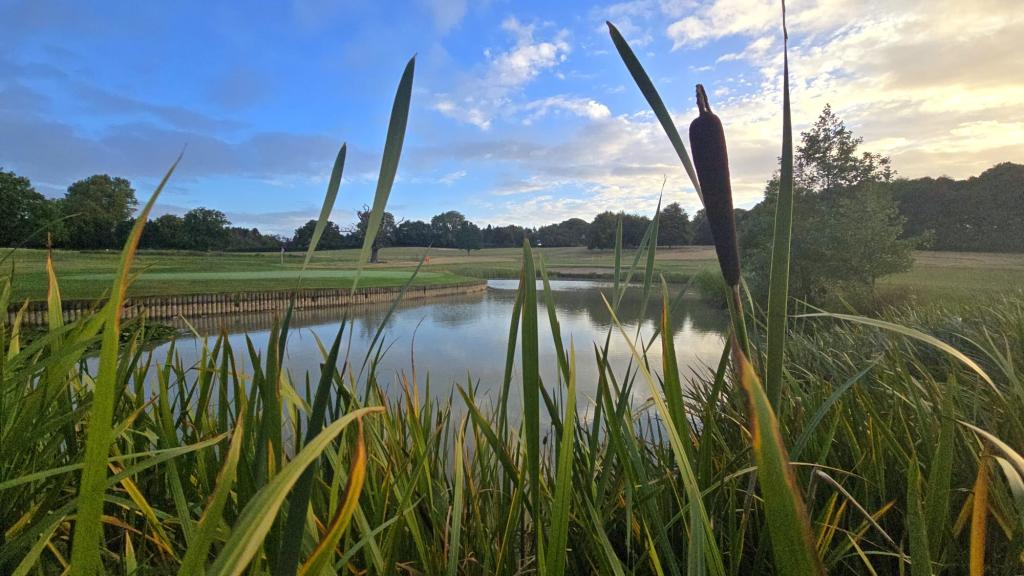 Morley Hayes Lake
 -
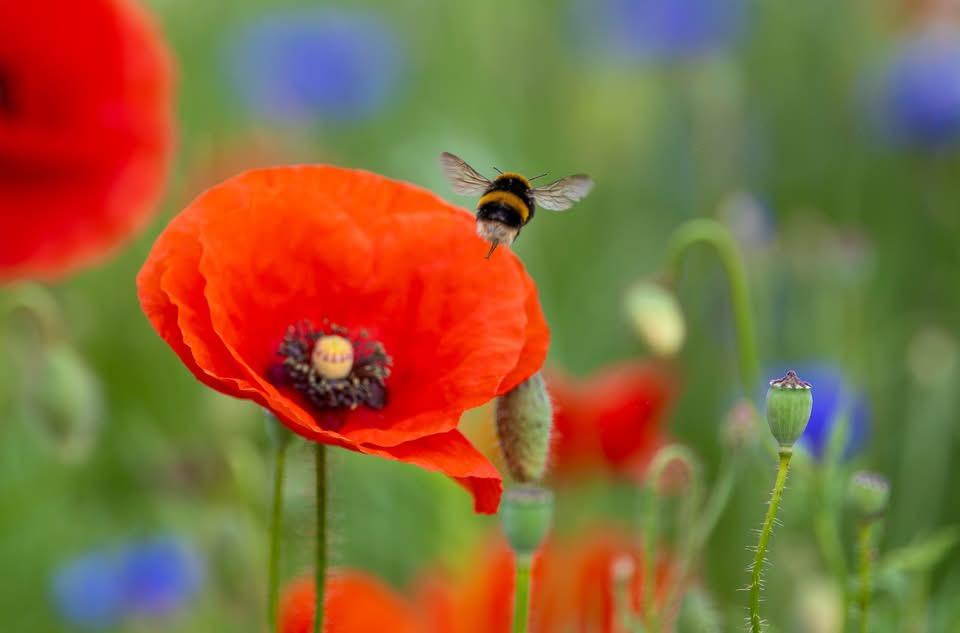 Wildflowers with Bee
 -
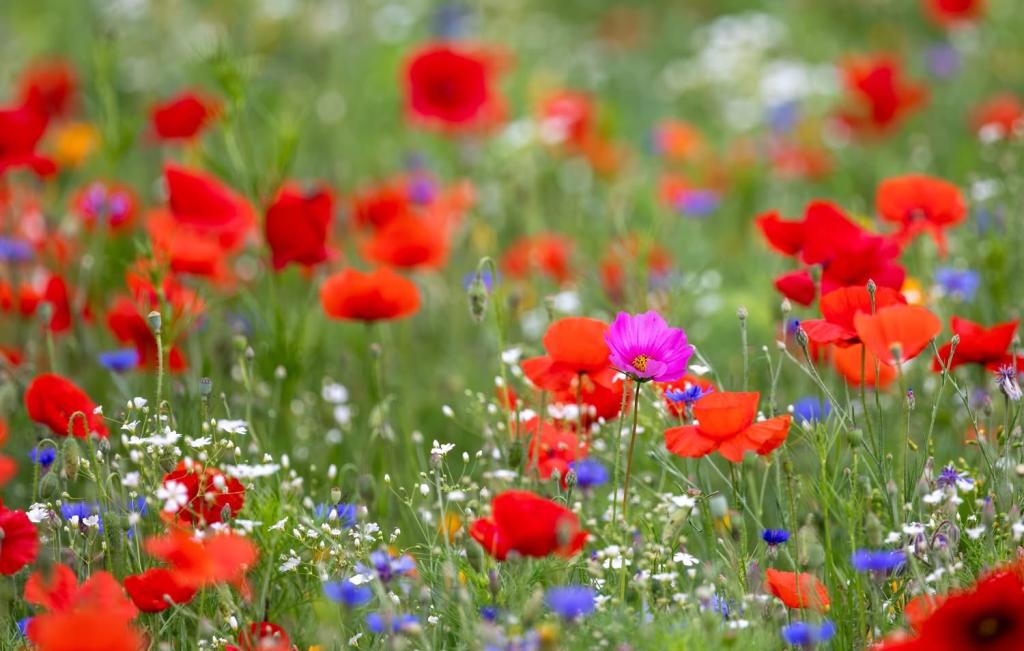 Wildflowers
 -
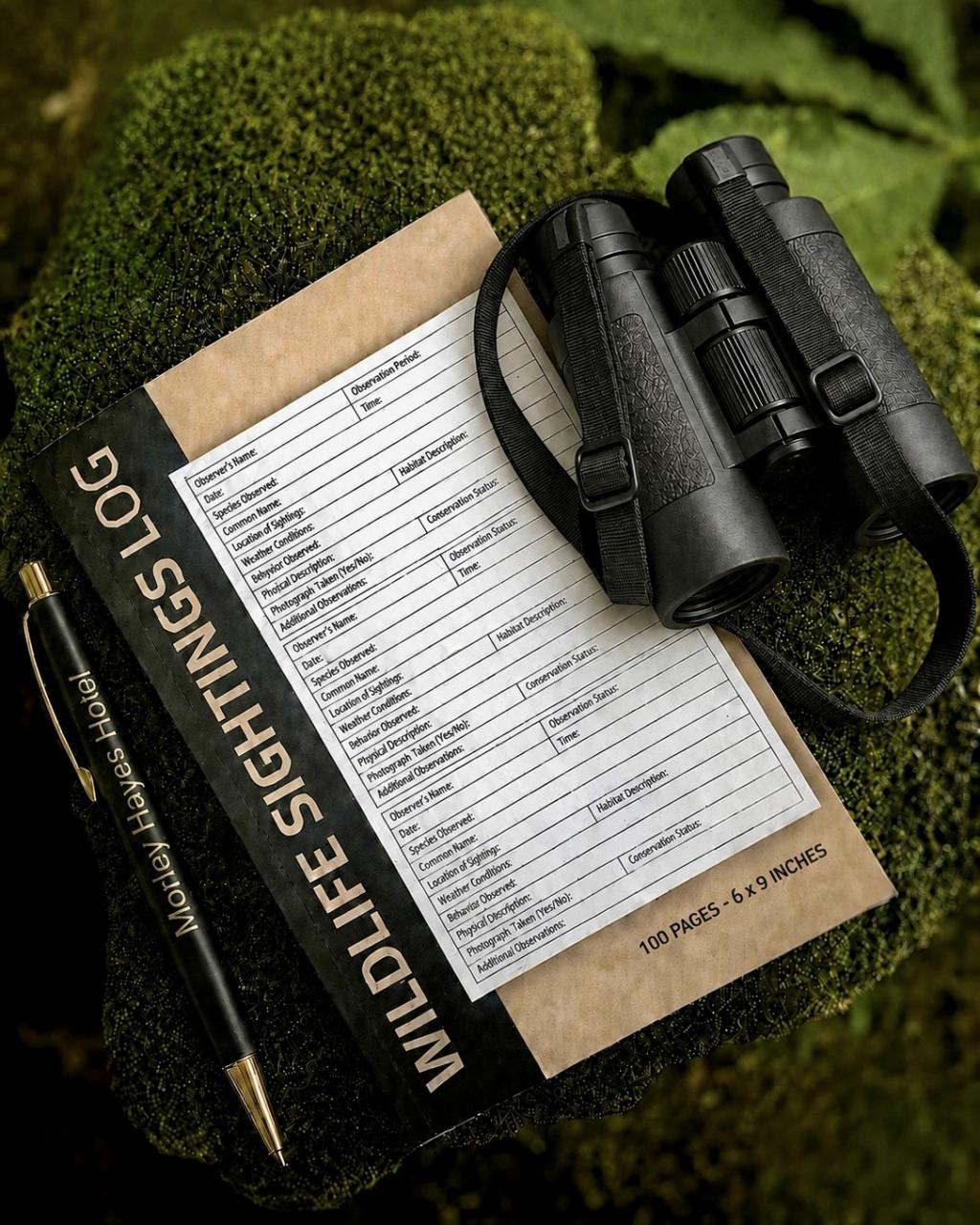 Wildlife Sightings Log
 -
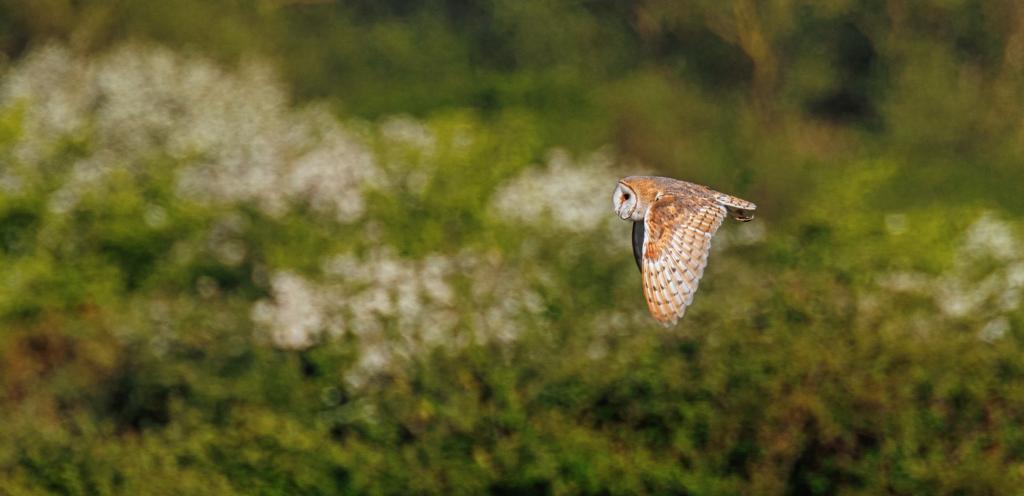 Barn Owl
 -
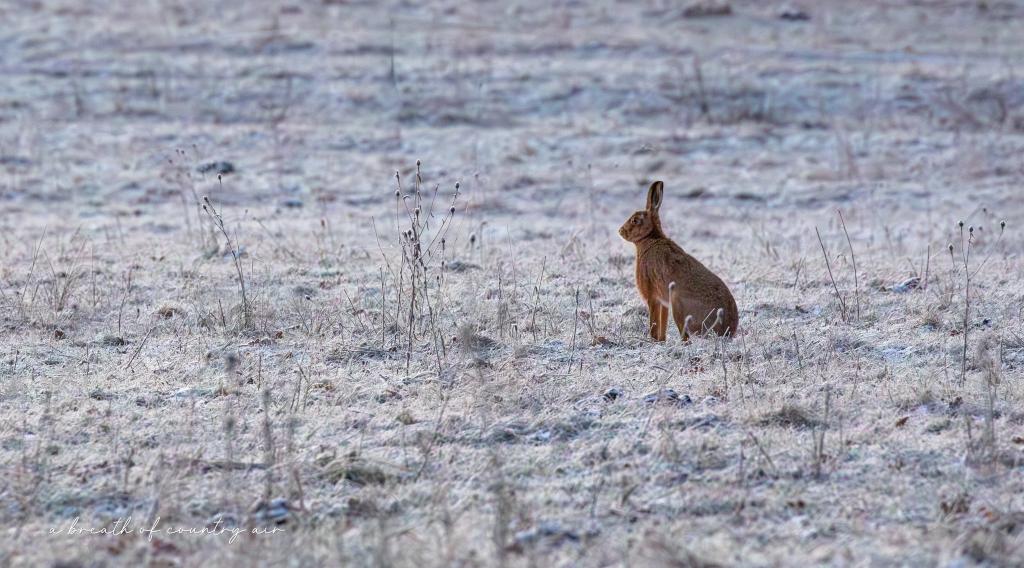 Brown Hare
 -
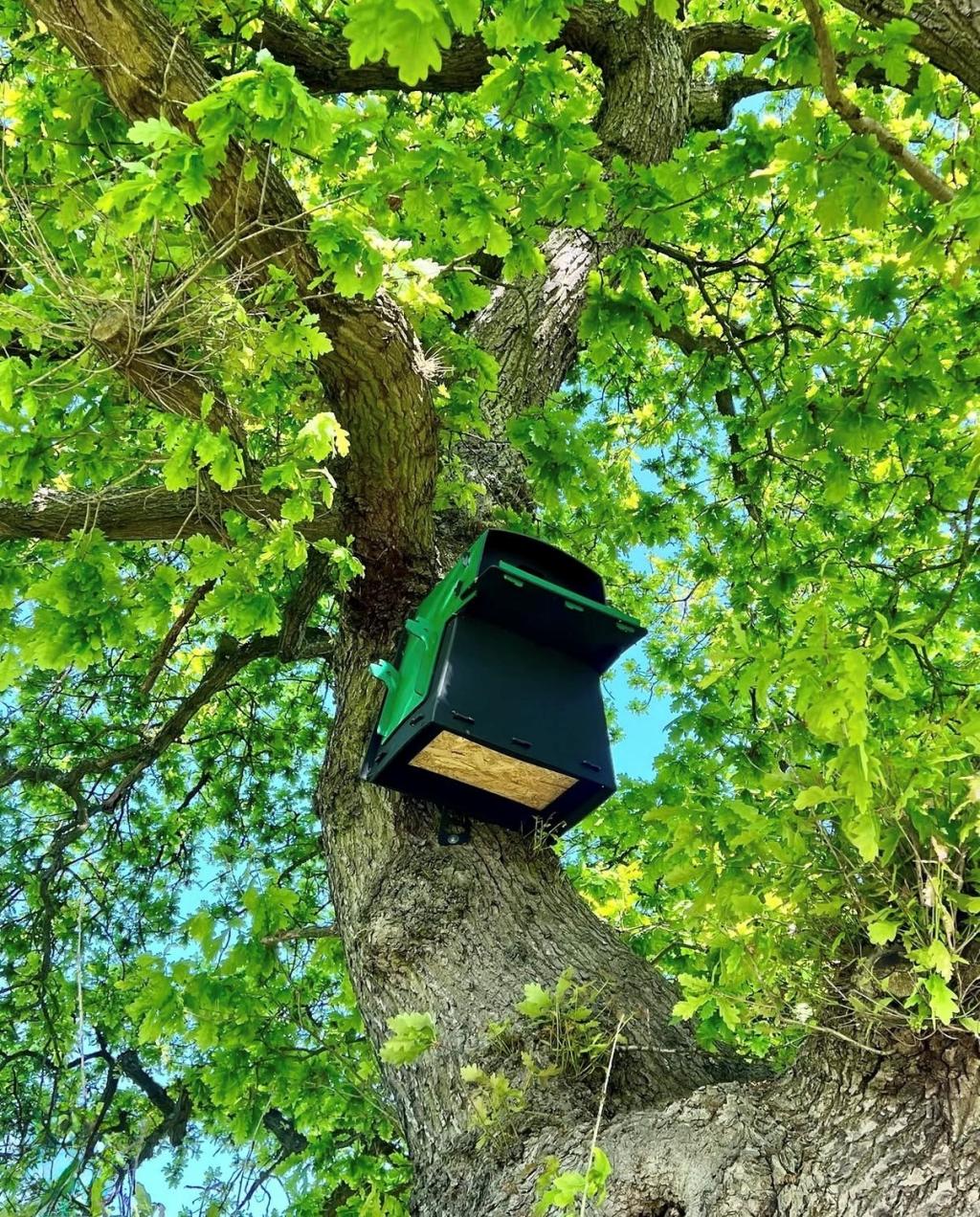 Bat Box
 -
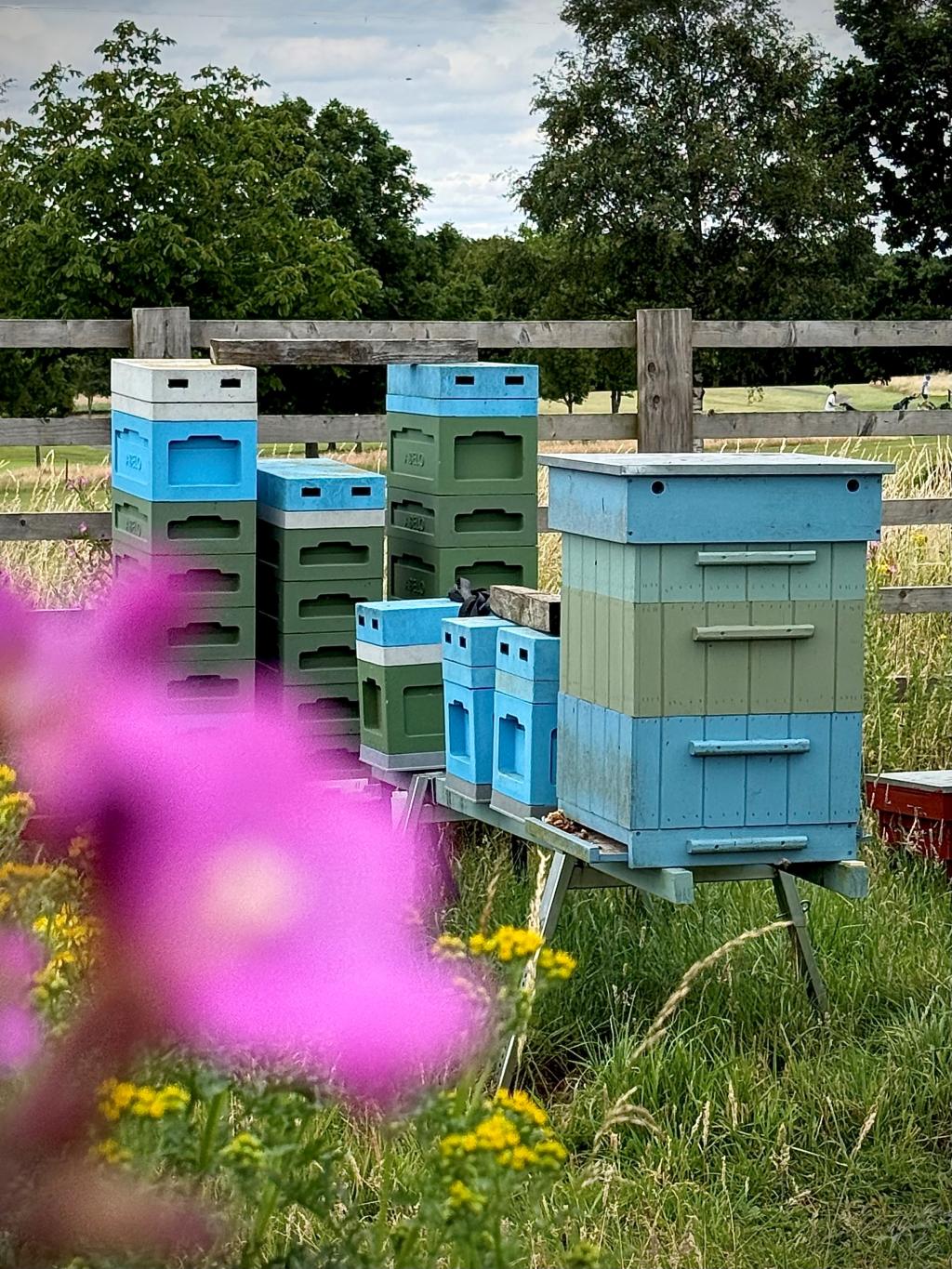 Beehives
 -
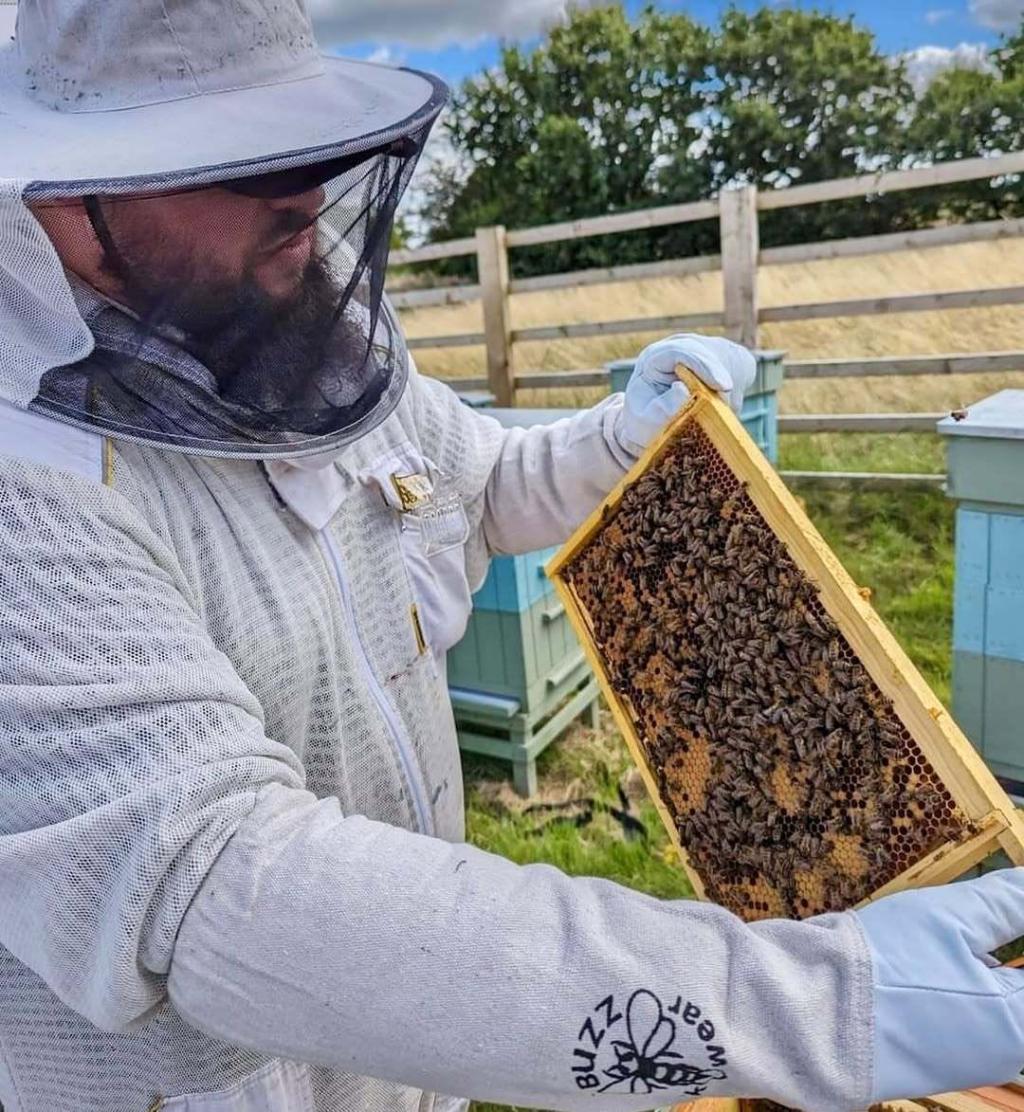 Morley Hayes Bees
 -
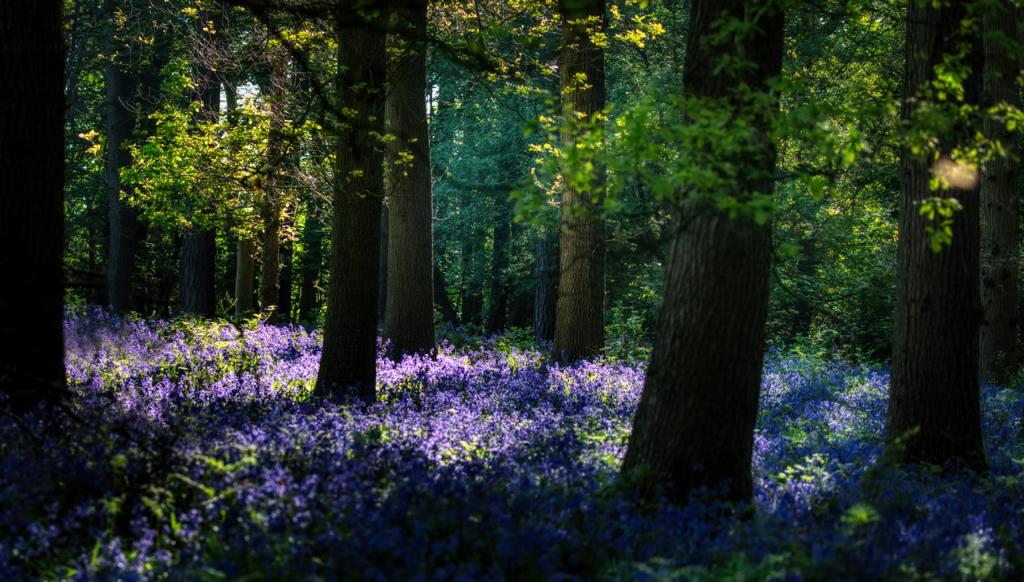 Bluebell Woods
 -
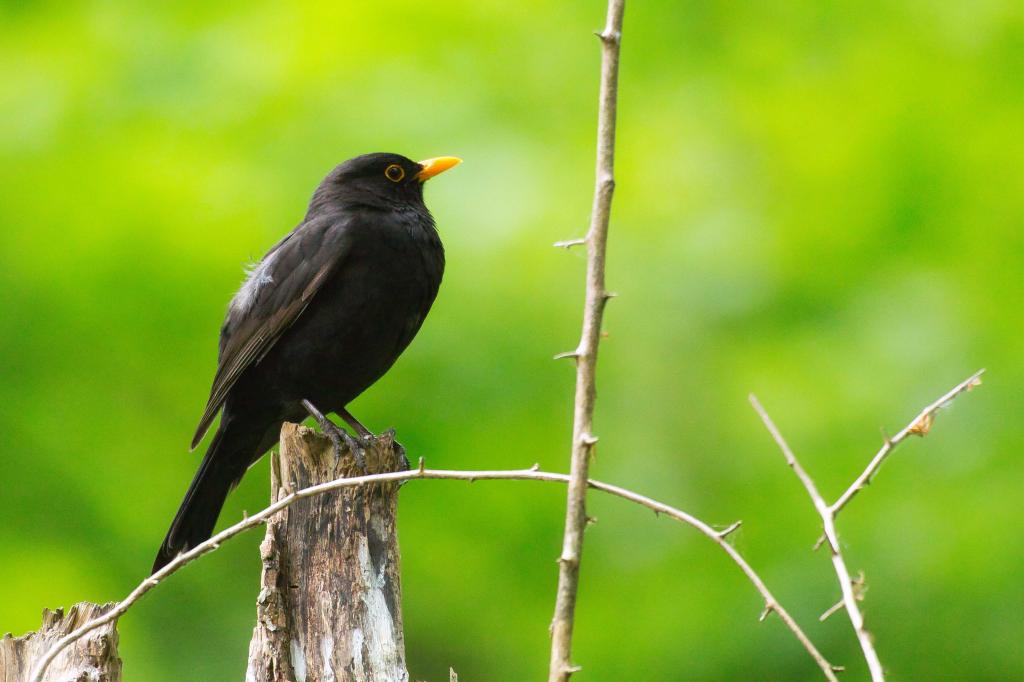 Blackbird
 -
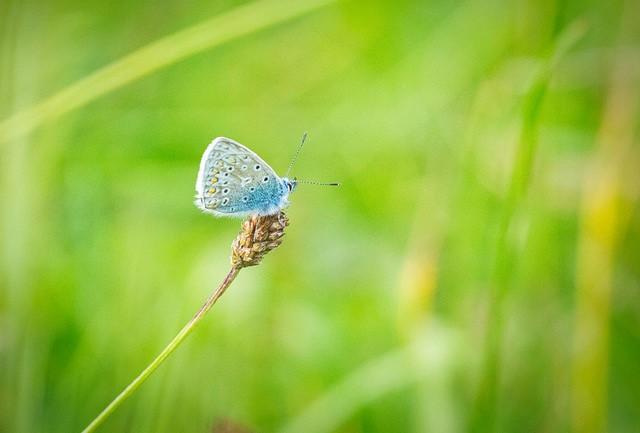 Butterfly
 -
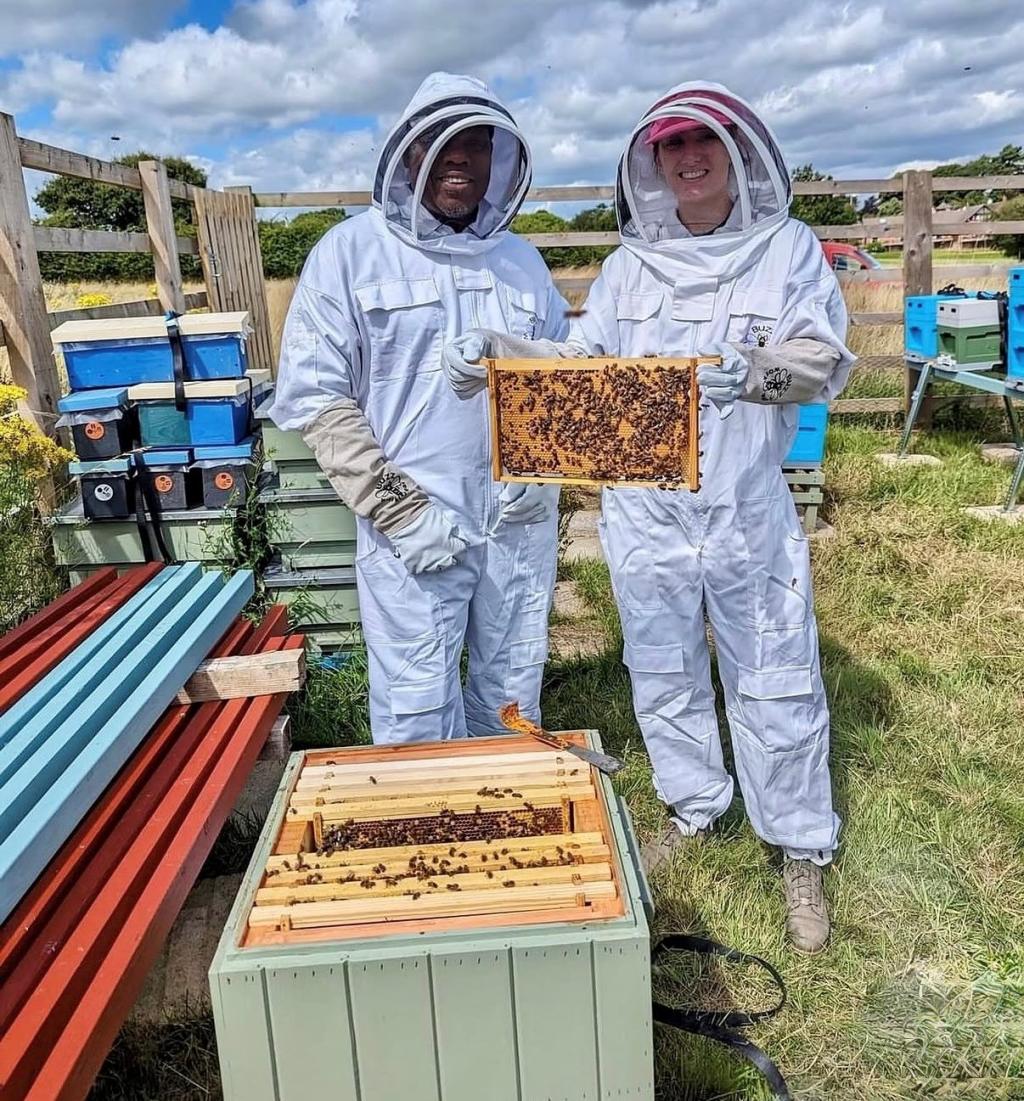 Chefs with Bees
 -
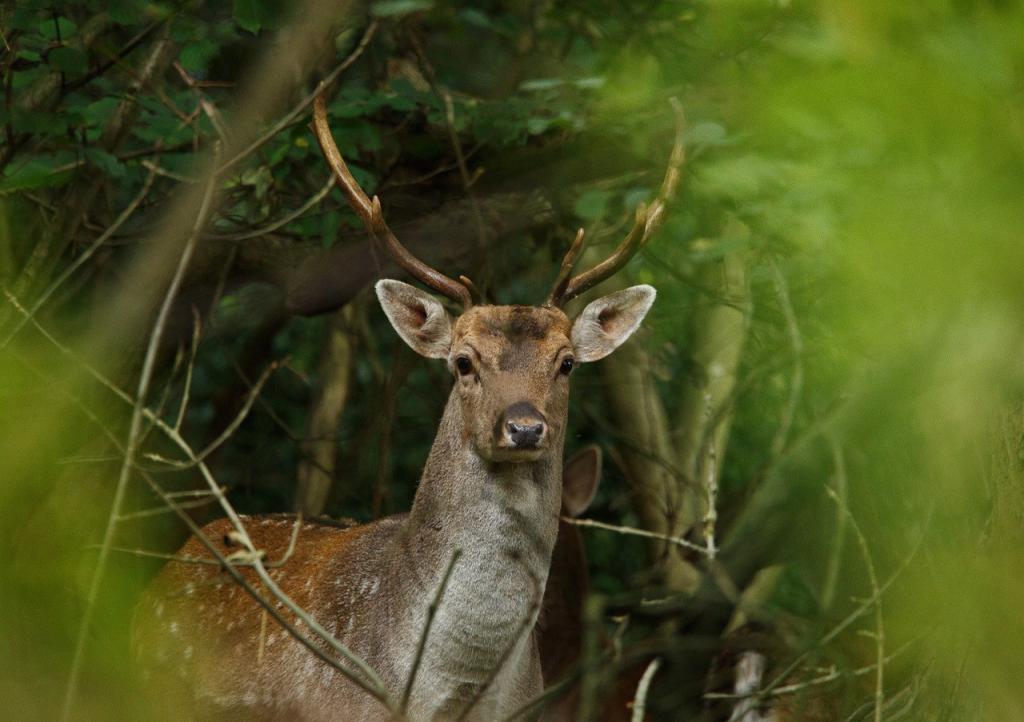 Deer
Deer -
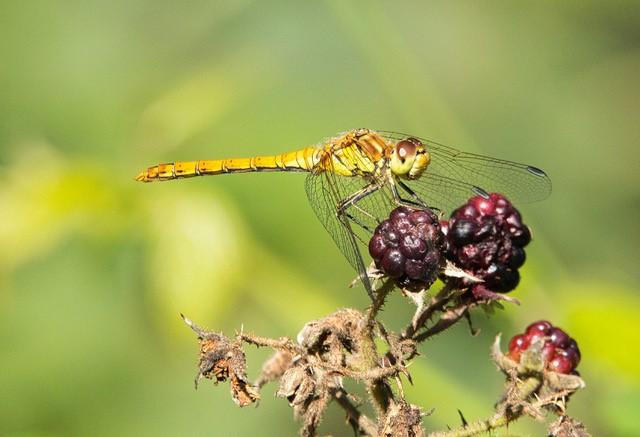 Dragonfly
 -
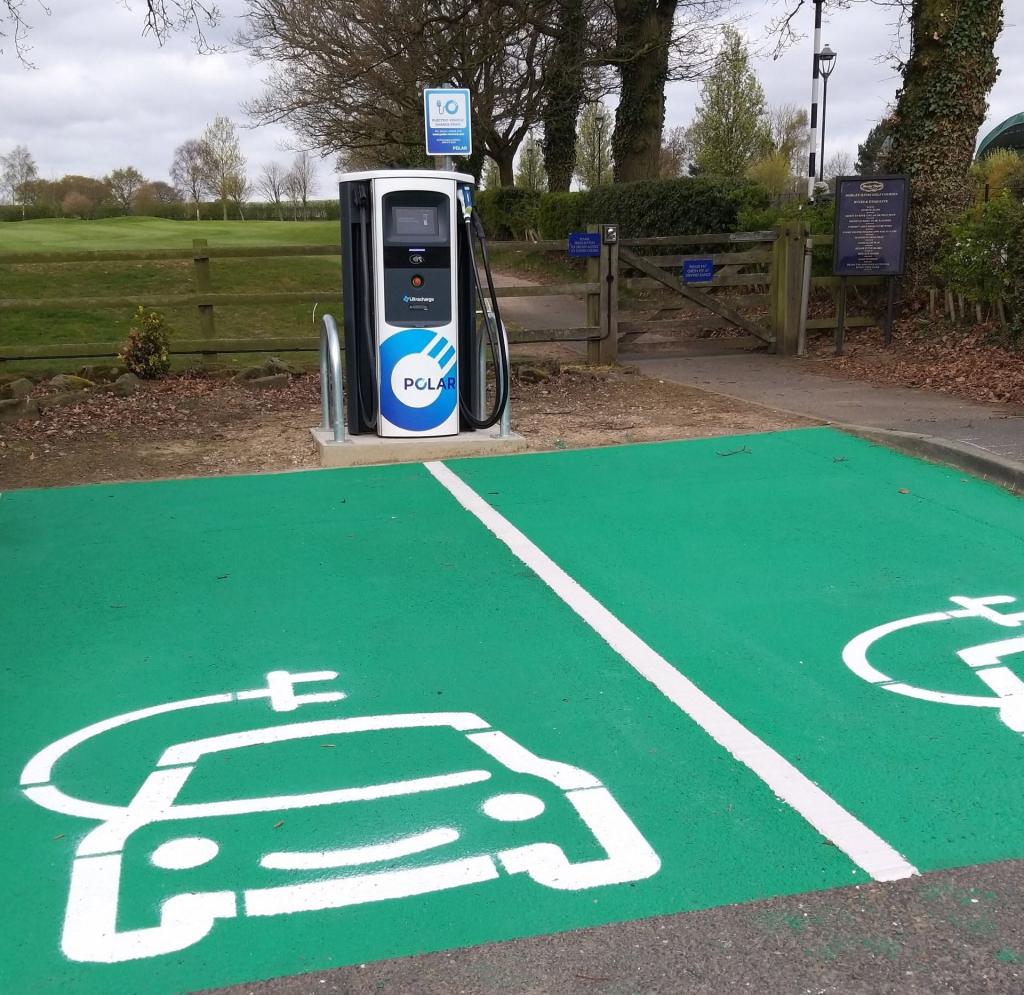 Electric Charging Point
 -
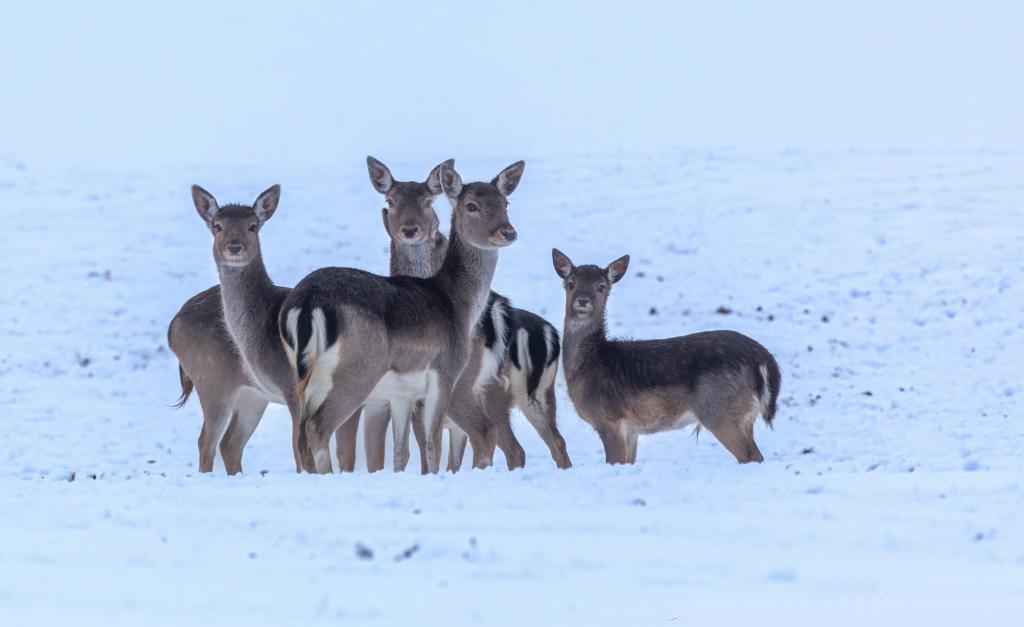 Fallow Deer Group
 -
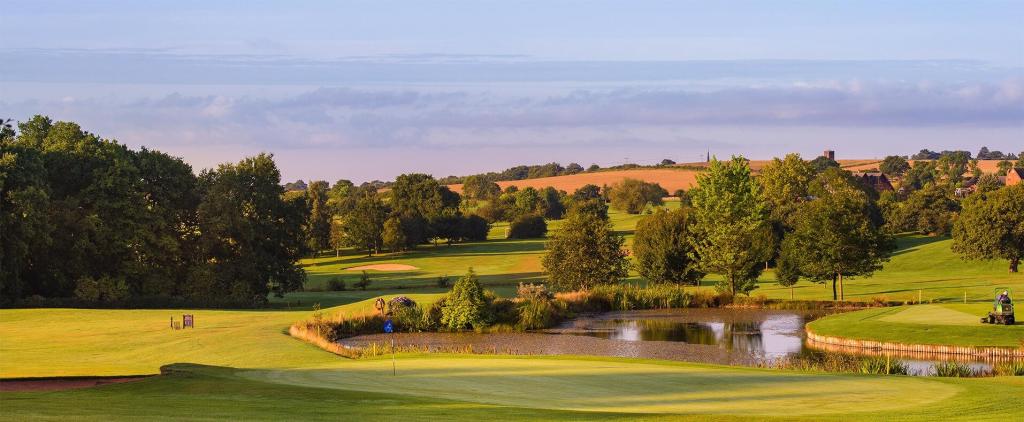 Morley Hayes Golf Course
 -
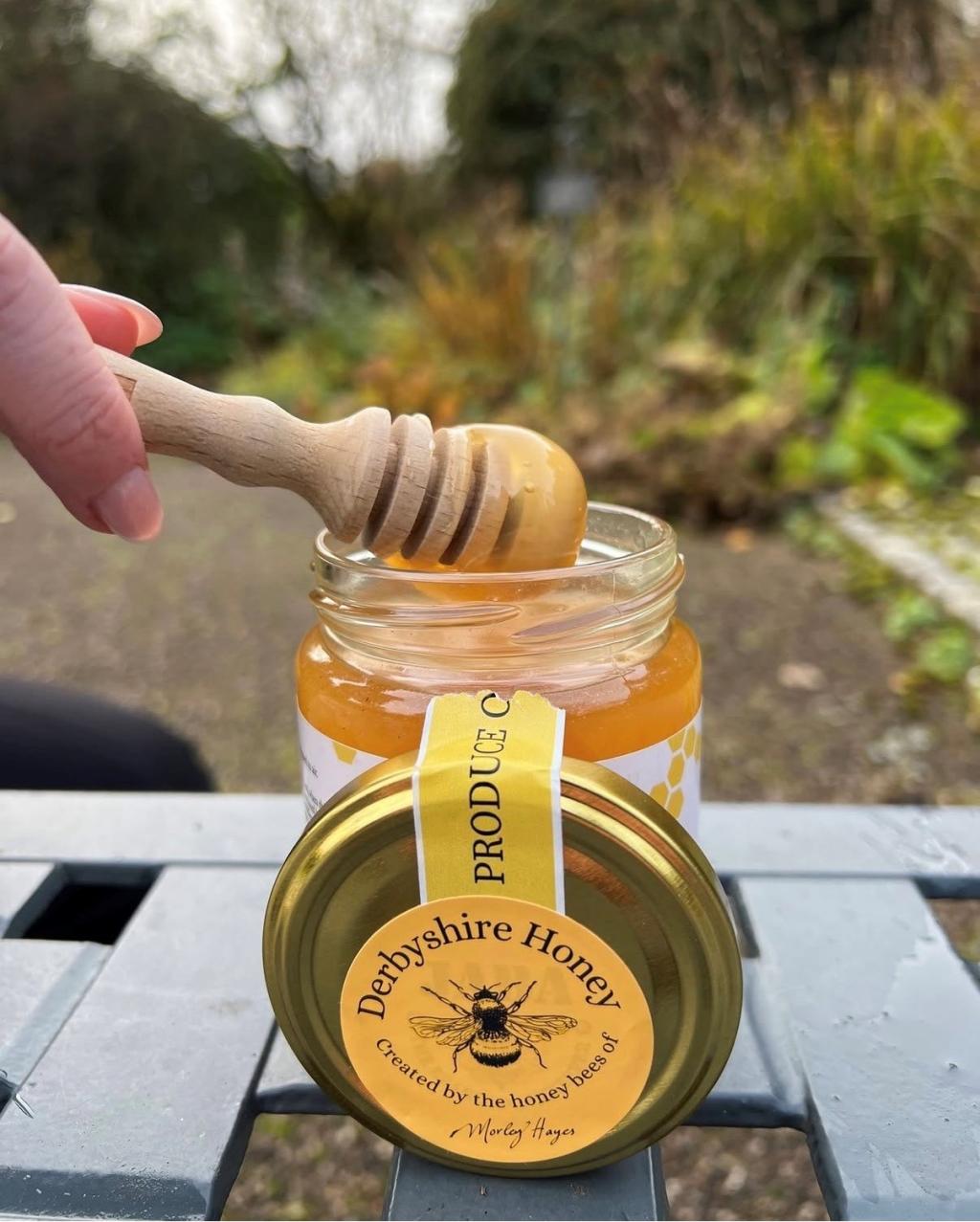 Morley Hayes Derbyshire Honey
 -
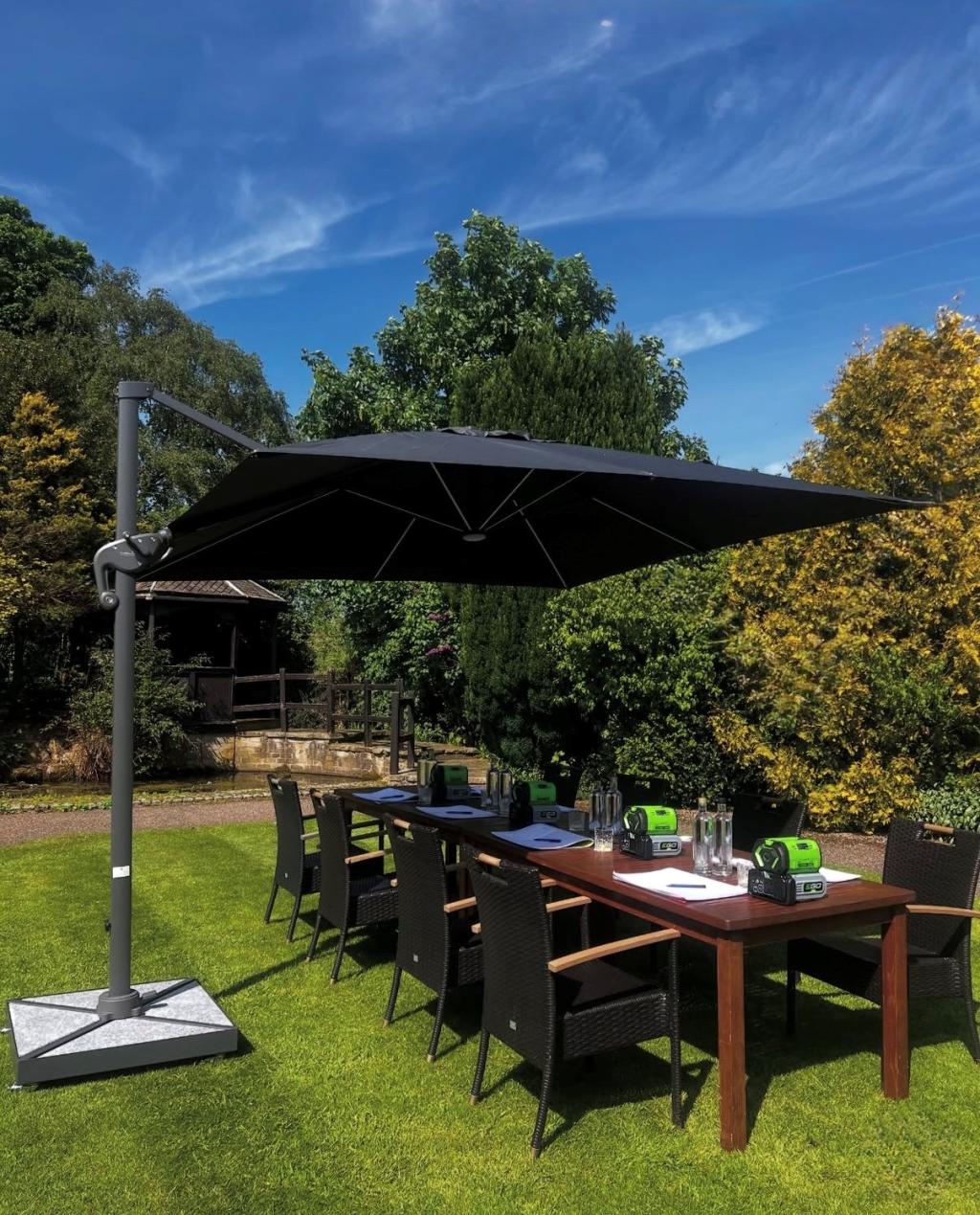 Outdoor Meeting
 -
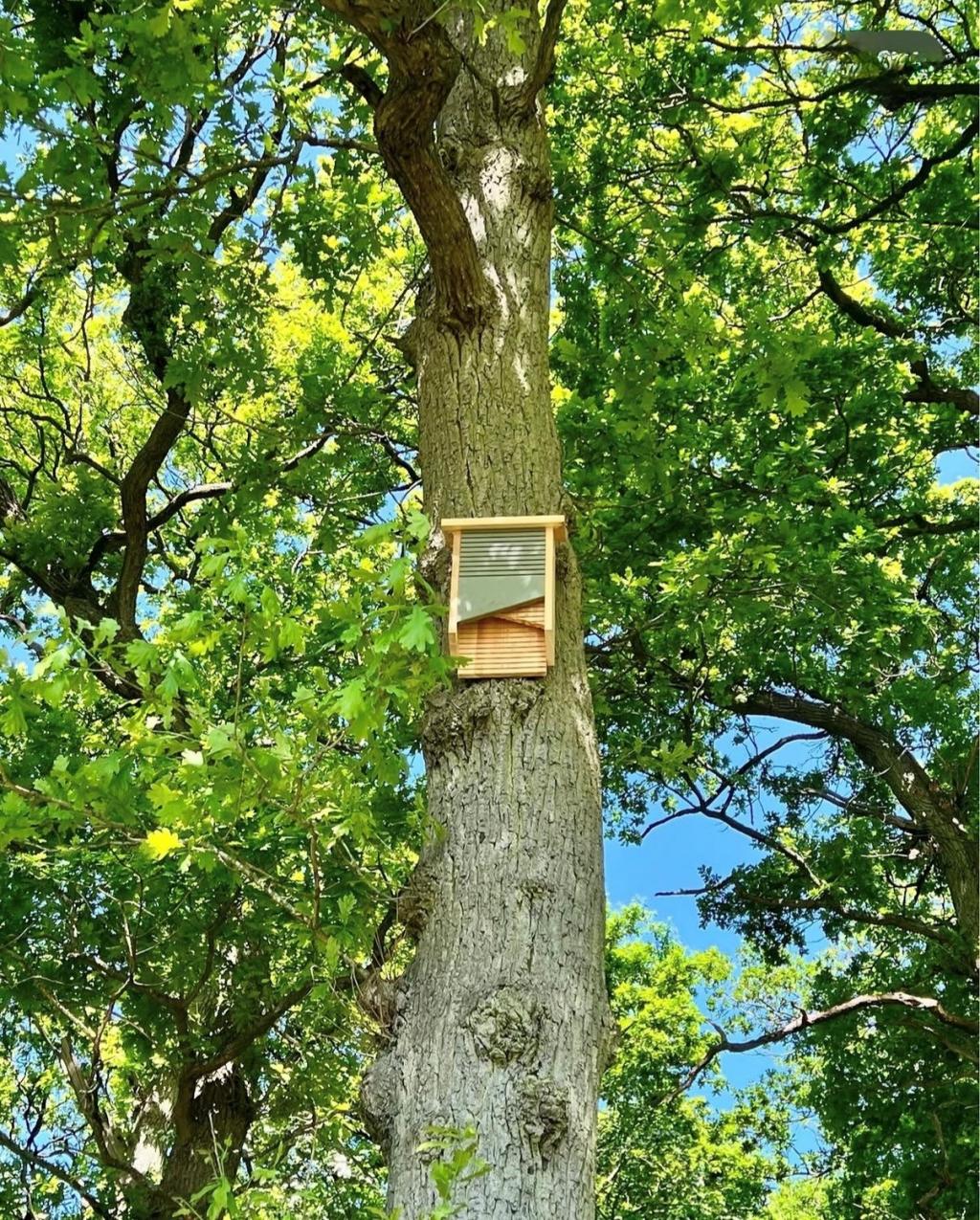 Owl Box
 -
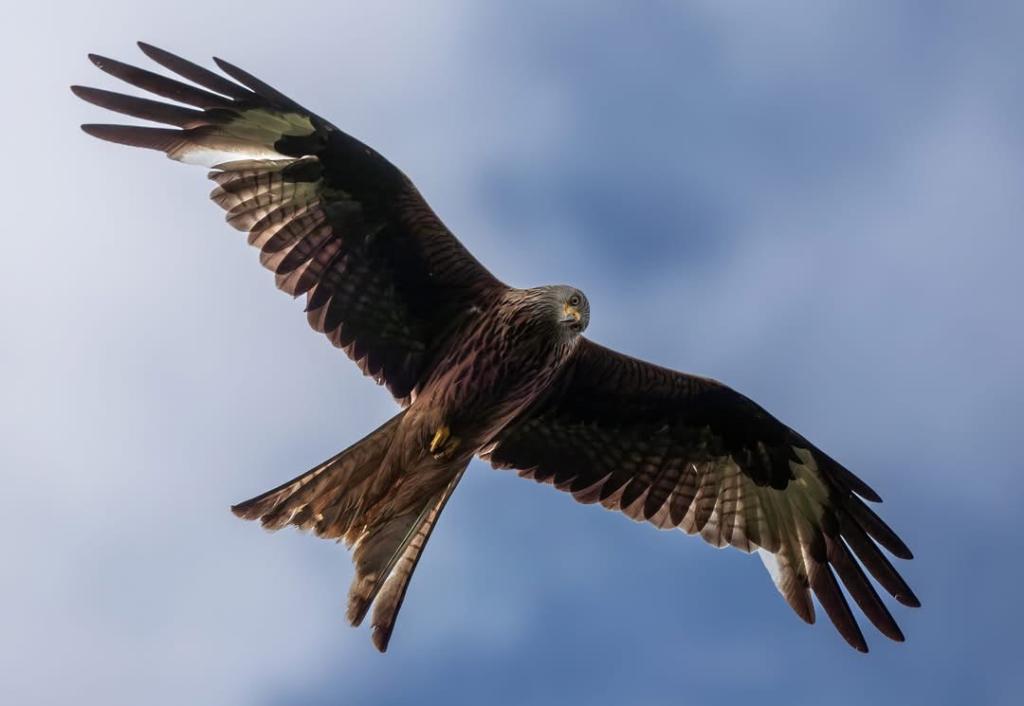 Red Kite
 -
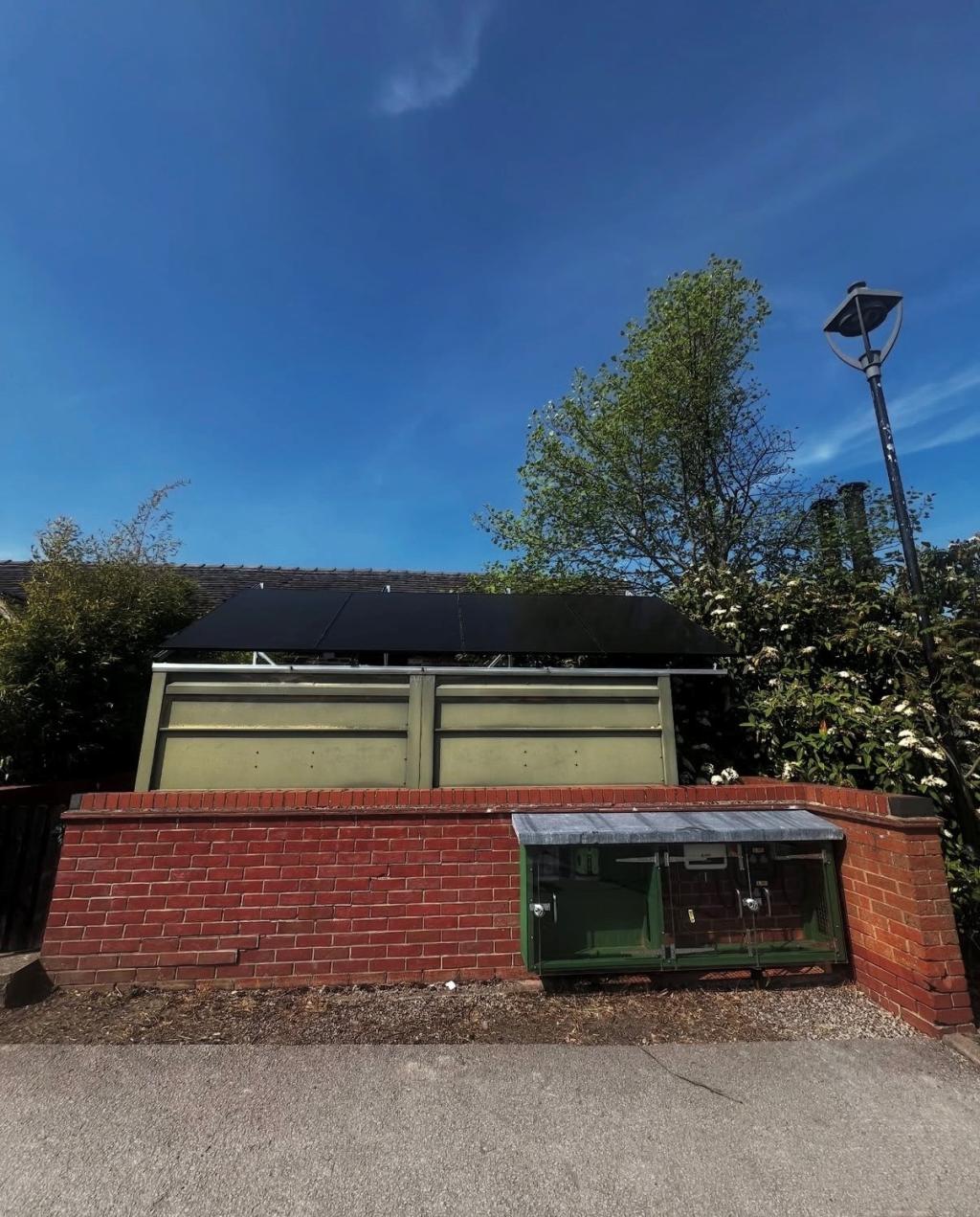 Solar Panels
 -
 Swift Box
 -
 wildflowers-lake