
Morley HayesLand Management
If you go down to our wood today...
You're sure of a big surprise, because beneath the branches of our neighbouring woodland is a rich eco-system supporting hundreds of different species of birds, invertebrates, mammals and plants.
Welcome to Hayes Wood, a 105-acre site formally designated an ancient semi-natural woodland, which we have been busy restoring over the years, working in partnership with the Derbyshire Wildlife Trust.
And there is no better time to visit than at the height of spring, when the woodland floor is covered by a gorgeous carpet of English bluebells, which have inspired our popular bluebell walks.
But the magic doesn't end when the flowers fade. Keen-eyed nature fans will spot all manner of trees and plants, and maybe, if they're lucky, glimpse an angle-striped sallow moth, a nationally rare species whose presence here confirms the ancient character of our wood.
It takes hard work to keep nature looking natural. Every year we thin holly stands, coppice hazel, dead-hedge gaps and monitor the grey squirrel population.
But there's one thing we don't touch - the deadwood, which provides a home for invertebrates, fungi and nesting birds.
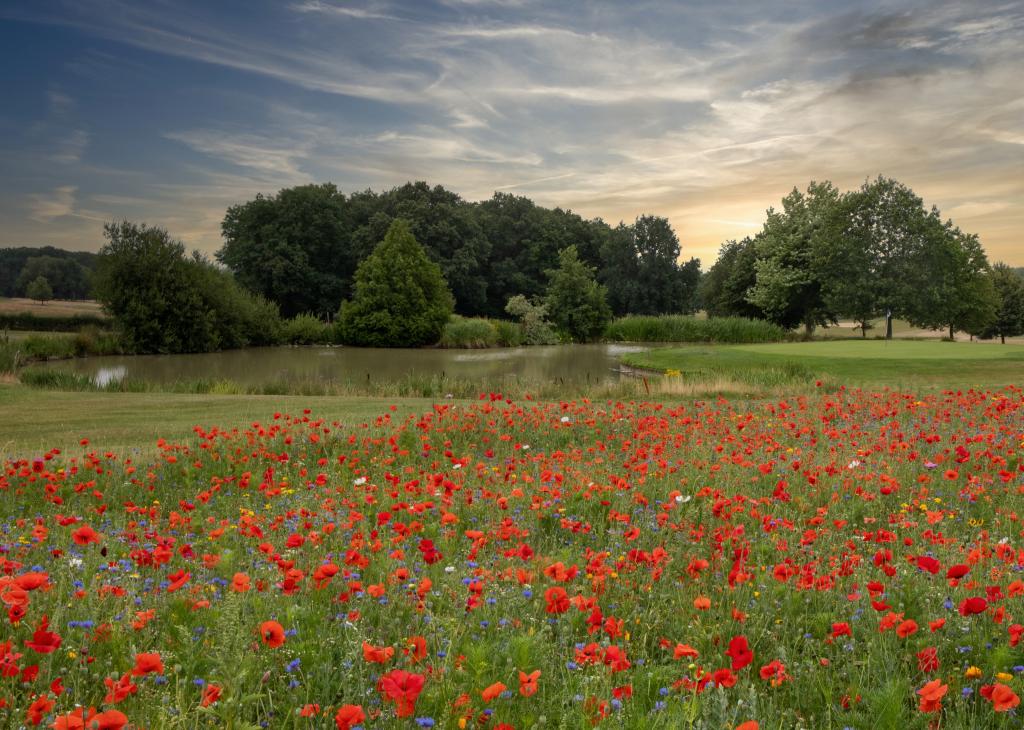
Our woodland isn't the only place where we've been hard at work. Our golf courses were once just fields and have been transformed into pristine playing surfaces, but it's not all about the golf.
We've introduced a reduced mowing programme, trimming the rough to 18 inches, giving cover to small animals and invertebrates and helping fungi to thrive.
The grass we cut becomes hay for our Dexter cattle, which we rear and serve as beef in our restaurants, we’ve filled our gardens with flowers and herbs, which we use in our kitchen, and planted Norfolk reeds around our ponds to provide nesting habitat for waterfowl.
And have you heard about our Wedding Field? Officially an unimproved field under consideration as a new Local Wildlife Site, it is home to yarrow, meadow sweet and angelica -0 and it can be hired to host your wedding.
We manage it carefully with an annual hay cut in July or August, timed after the yellow rattle seed has dropped, allowing flowering plants to establish and the meadow to remain pristine.
Sustainability
-
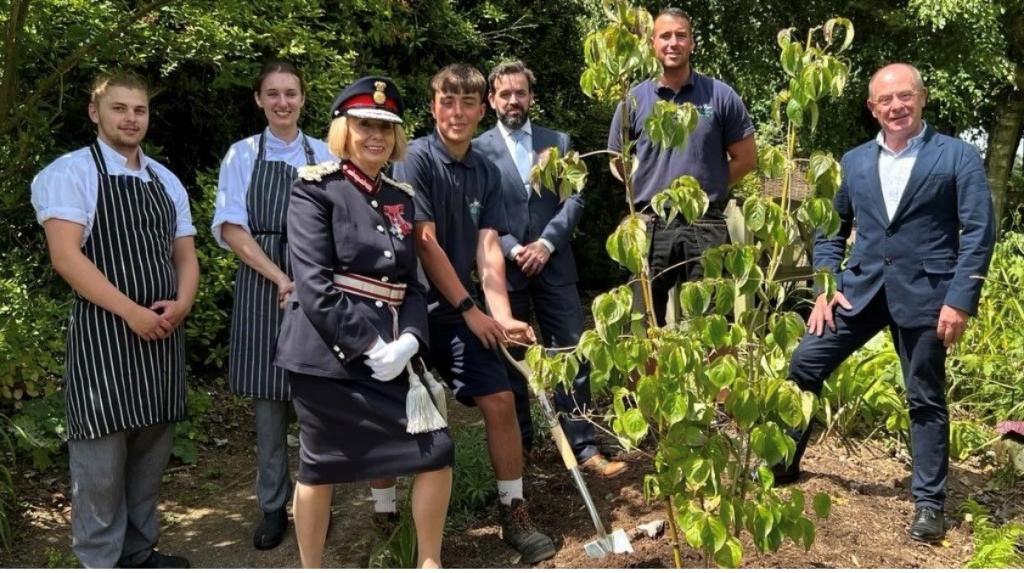 The Queens Green Canopy
 -
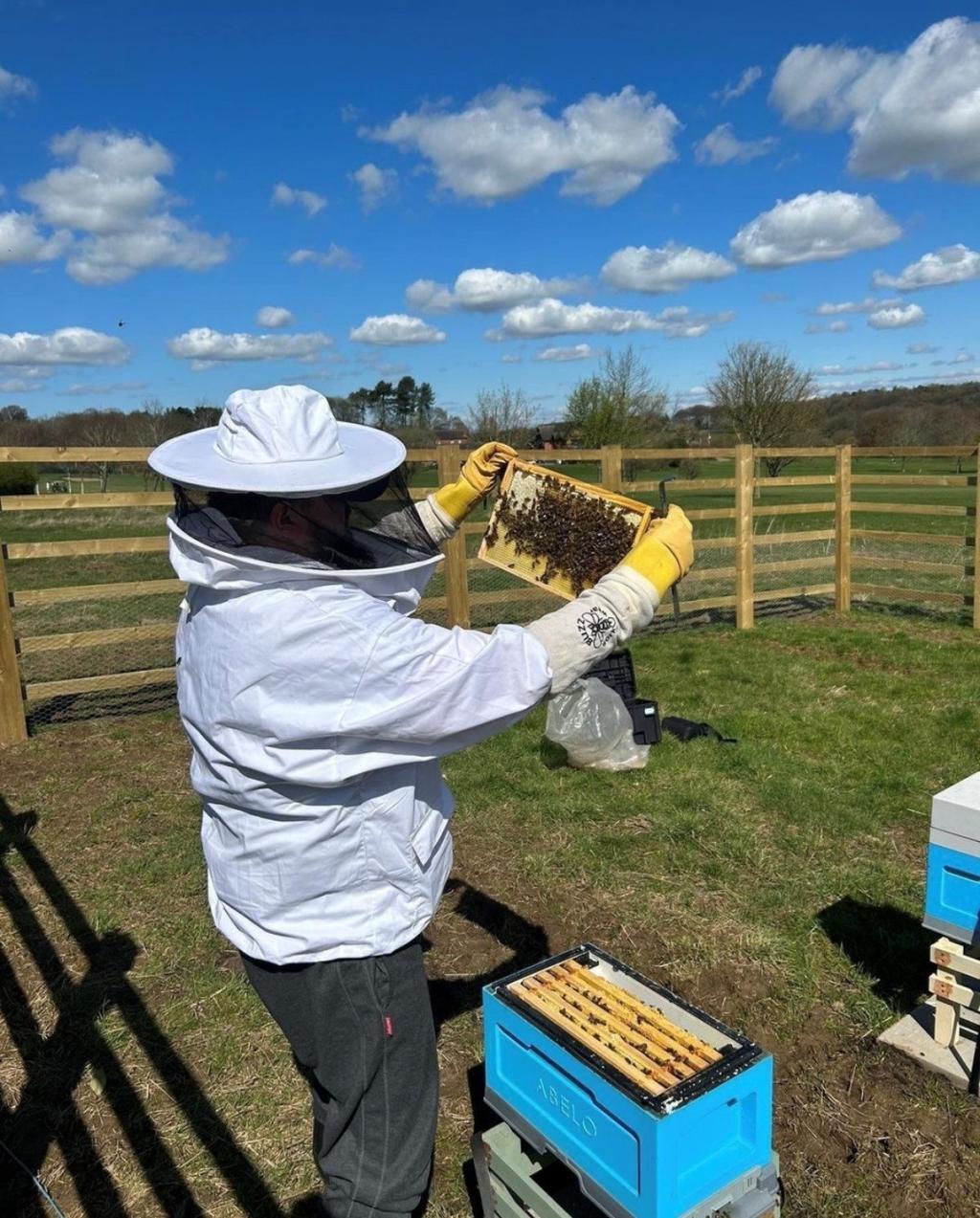 Morley Hayes Bees
 -
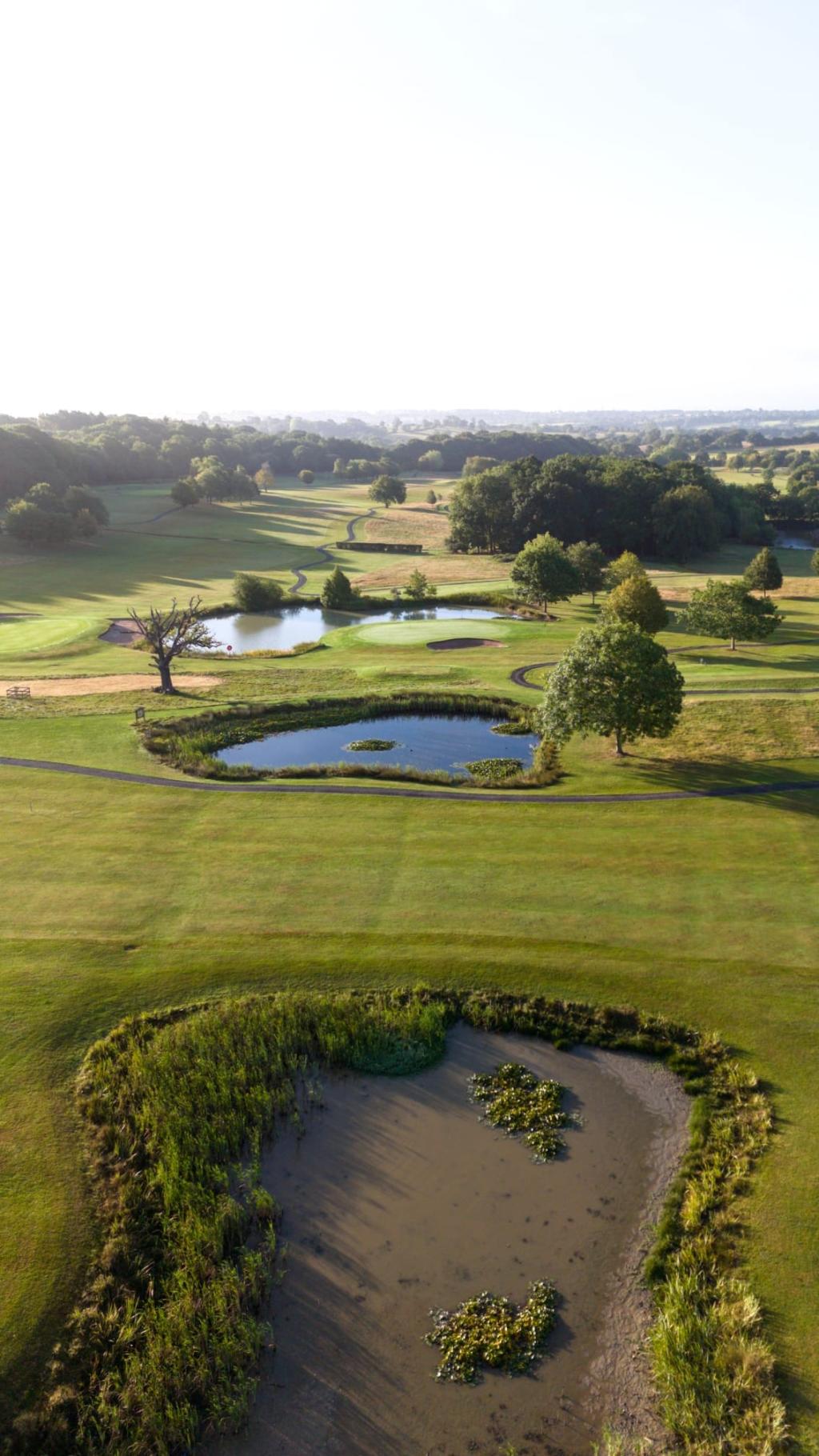 Morley Hayes Land
 -
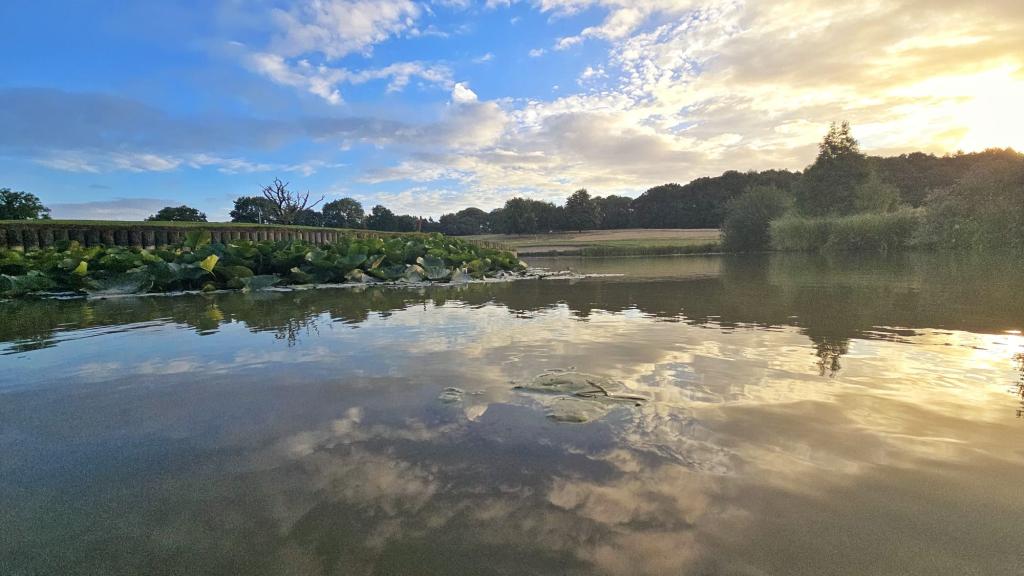 Morley Hayes Lake
 -
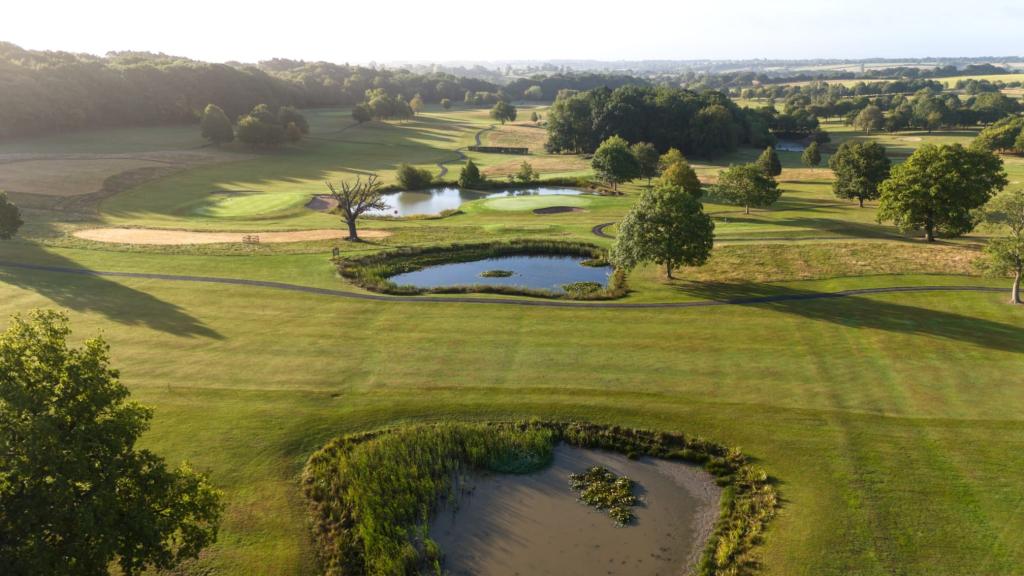 Morley Hayes Land
 -
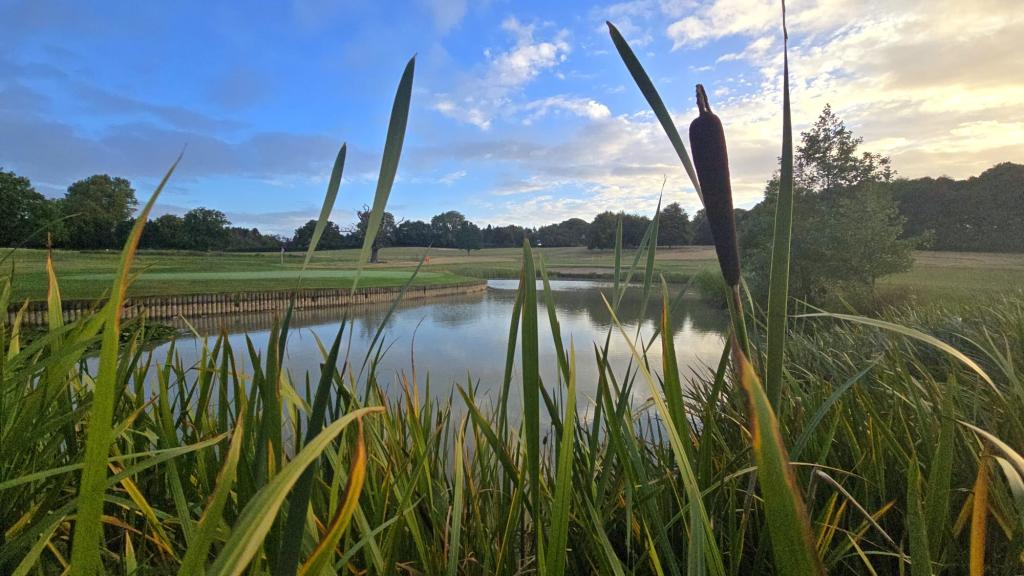 Morley Hayes Lake
 -
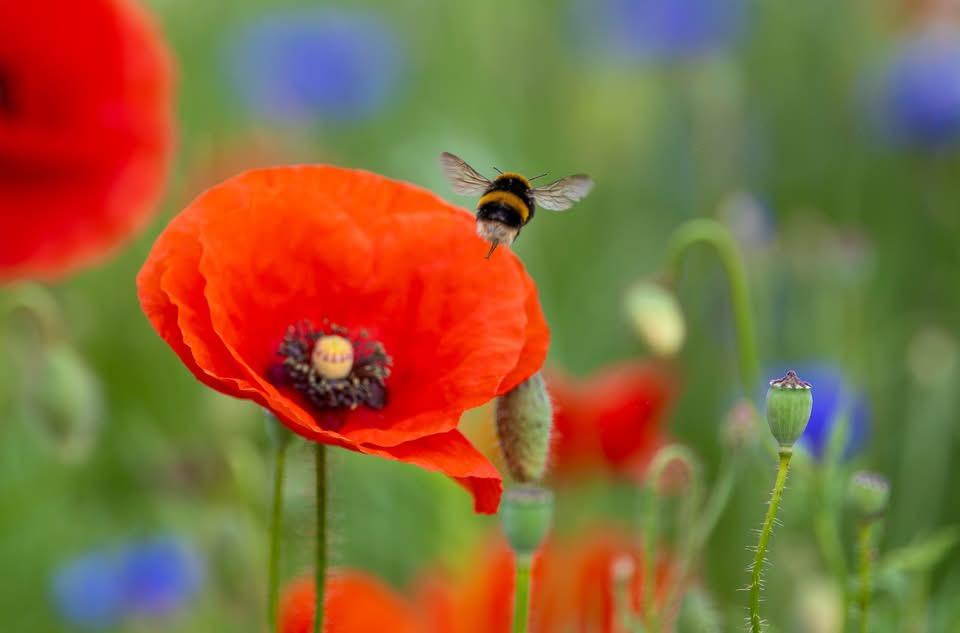 Wildflowers with Bee
 -
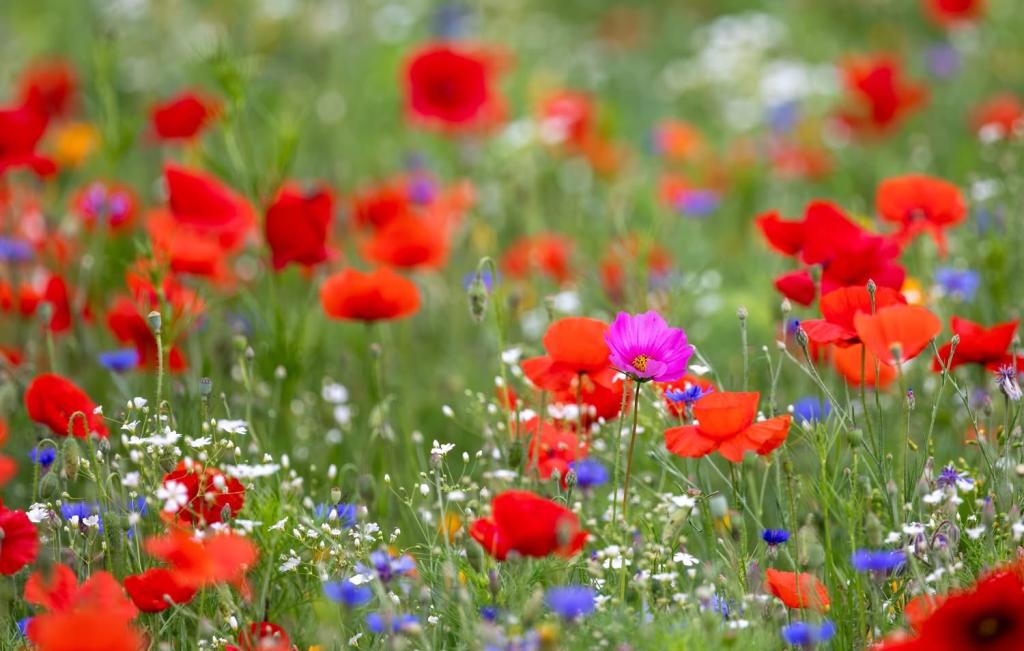 Wildflowers
 -
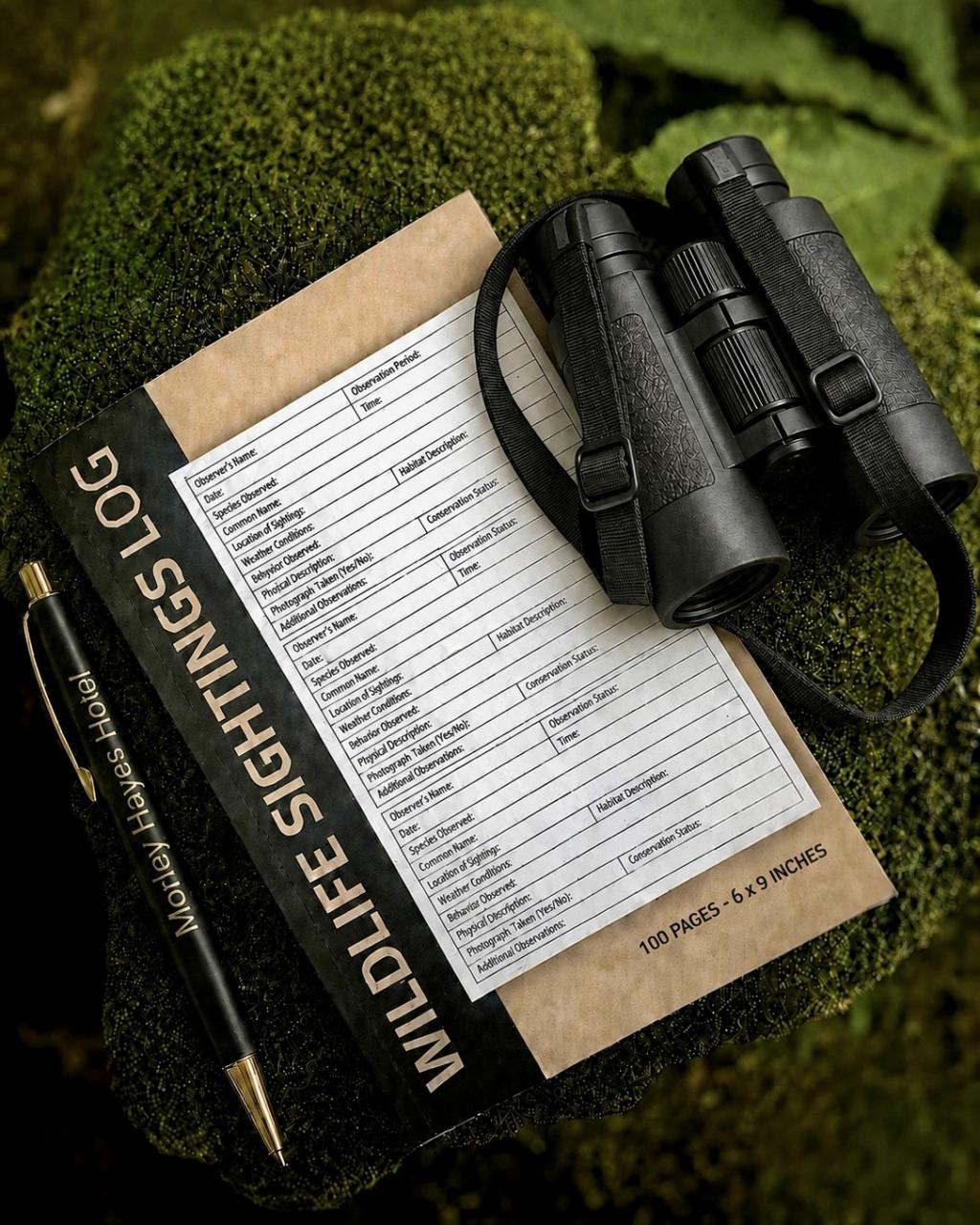 Wildlife Sightings Log
 -
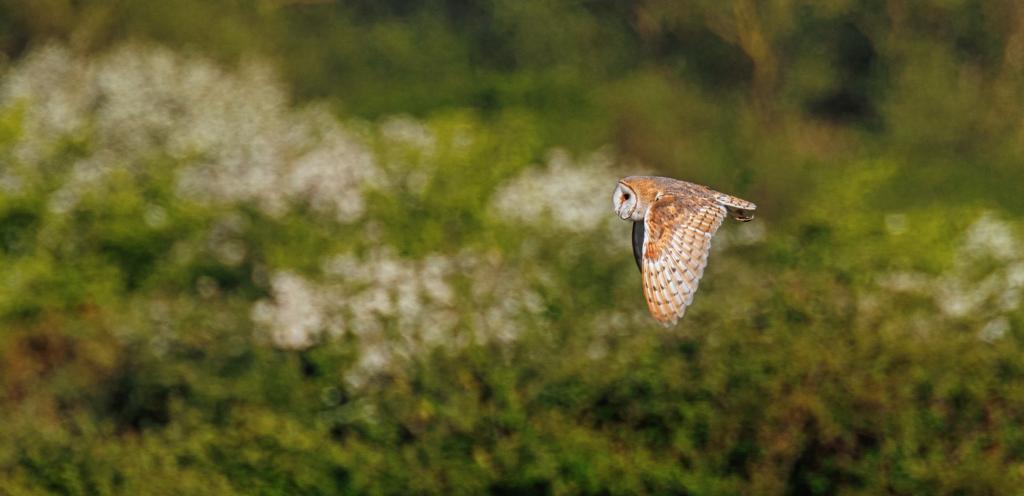 Barn Owl
 -
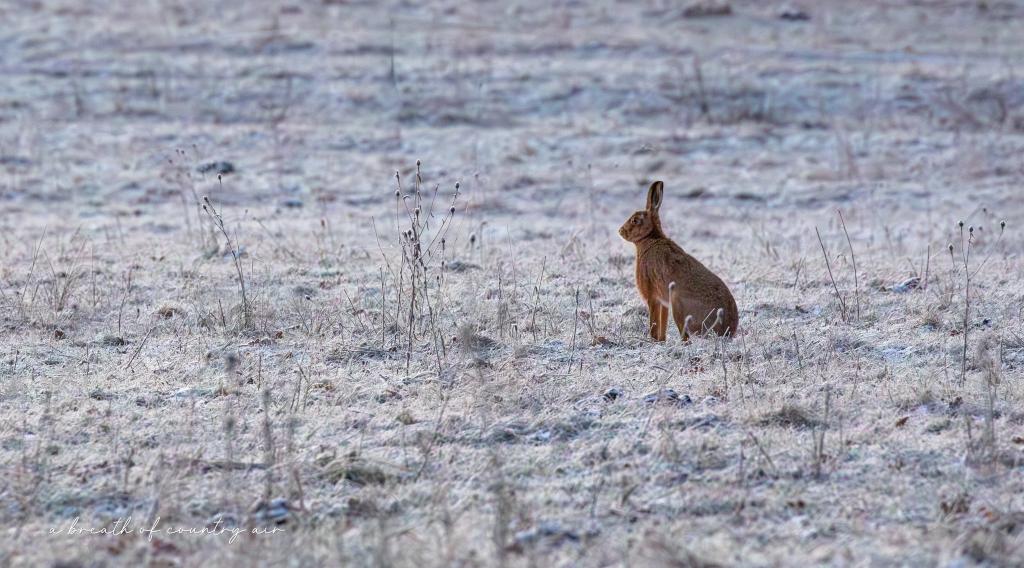 Brown Hare
 -
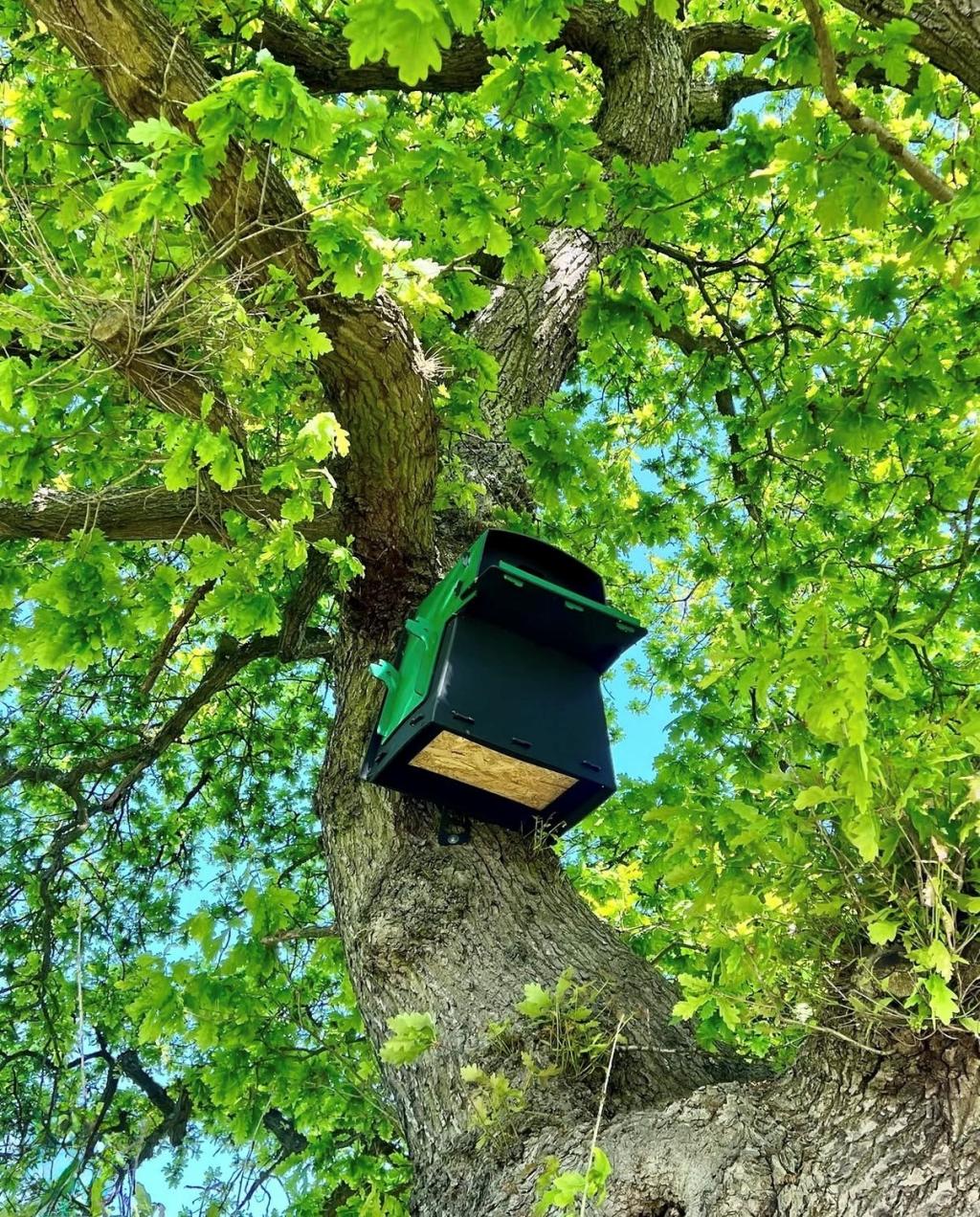 Bat Box
 -
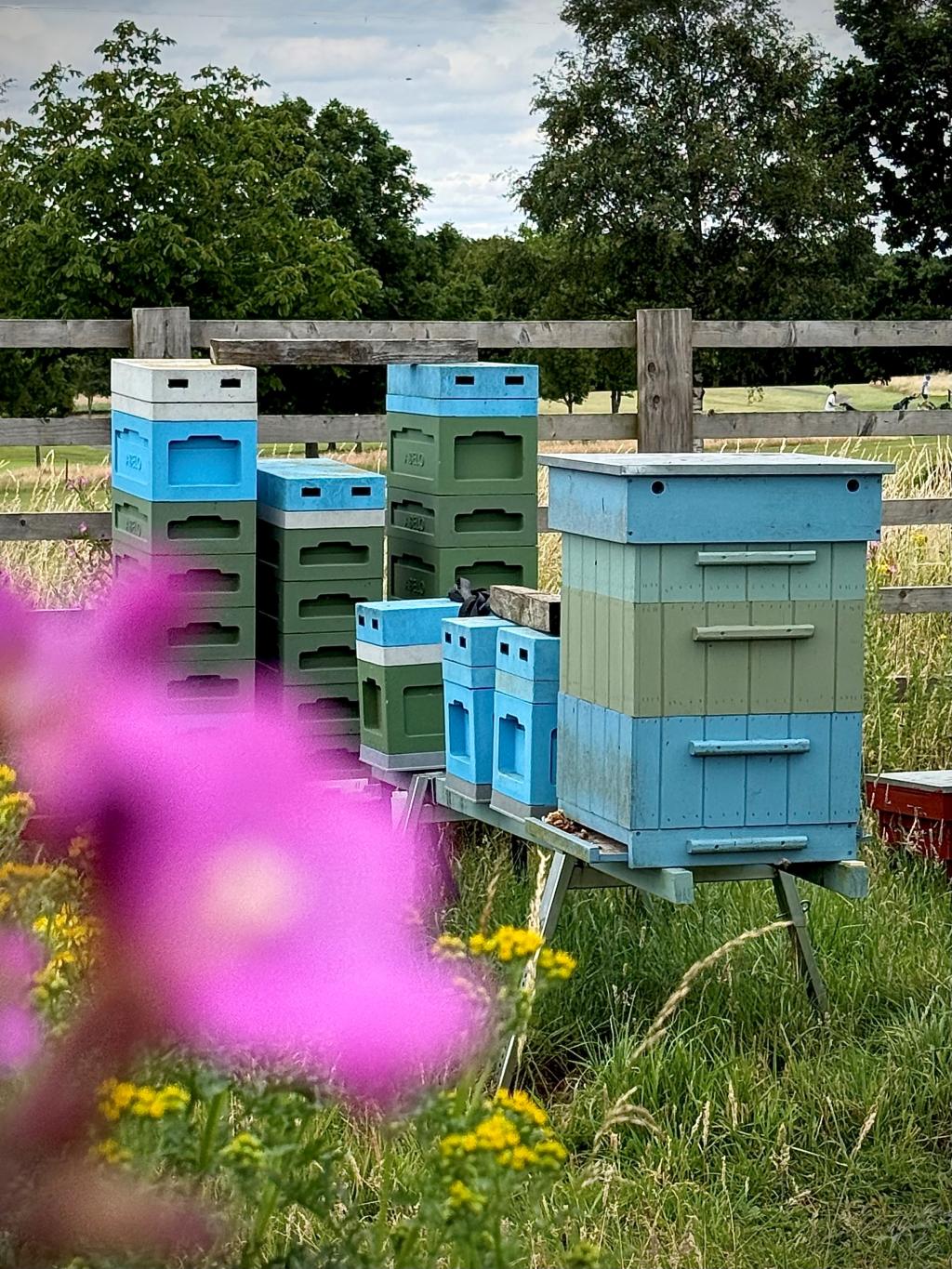 Beehives
 -
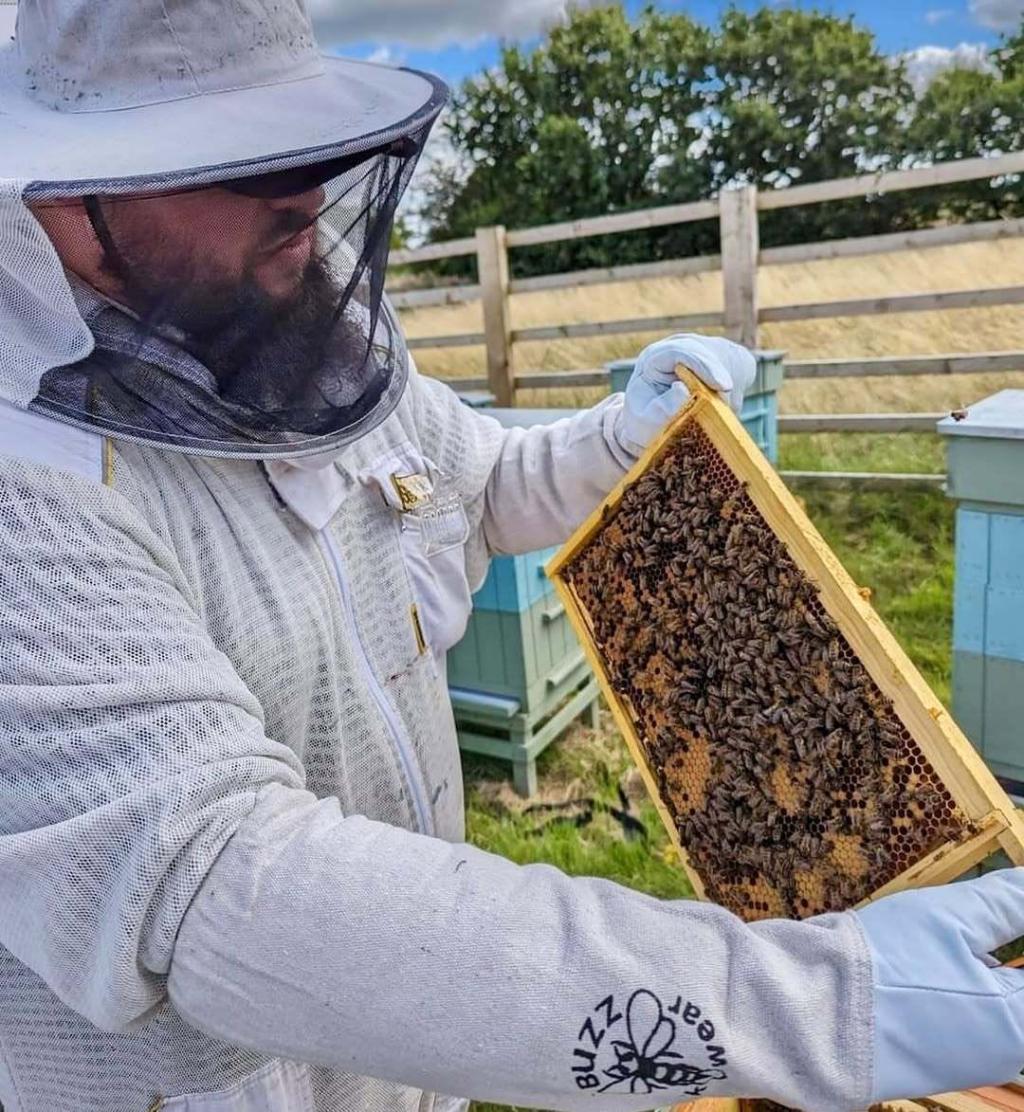 Morley Hayes Bees
 -
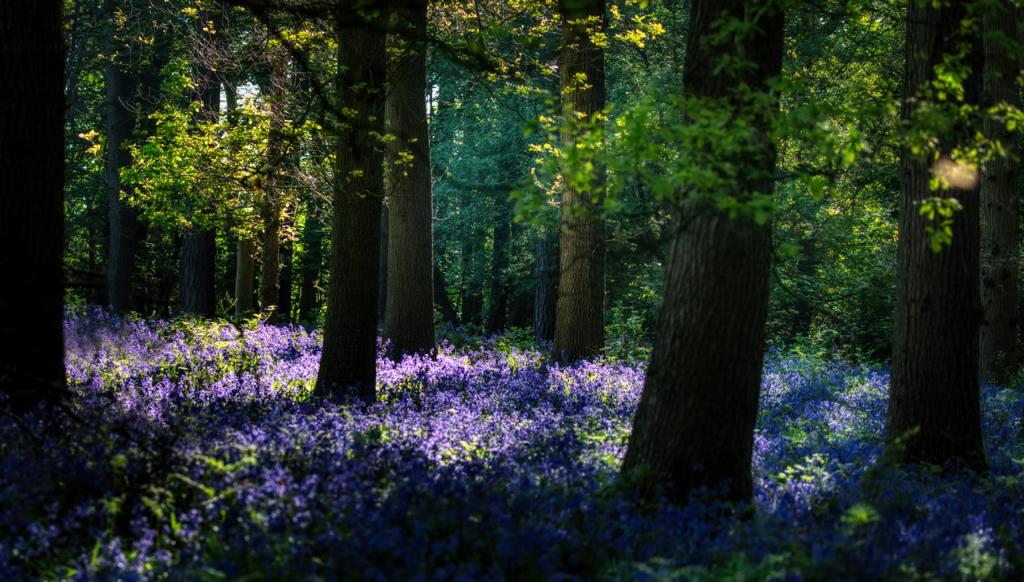 Bluebell Woods
 -
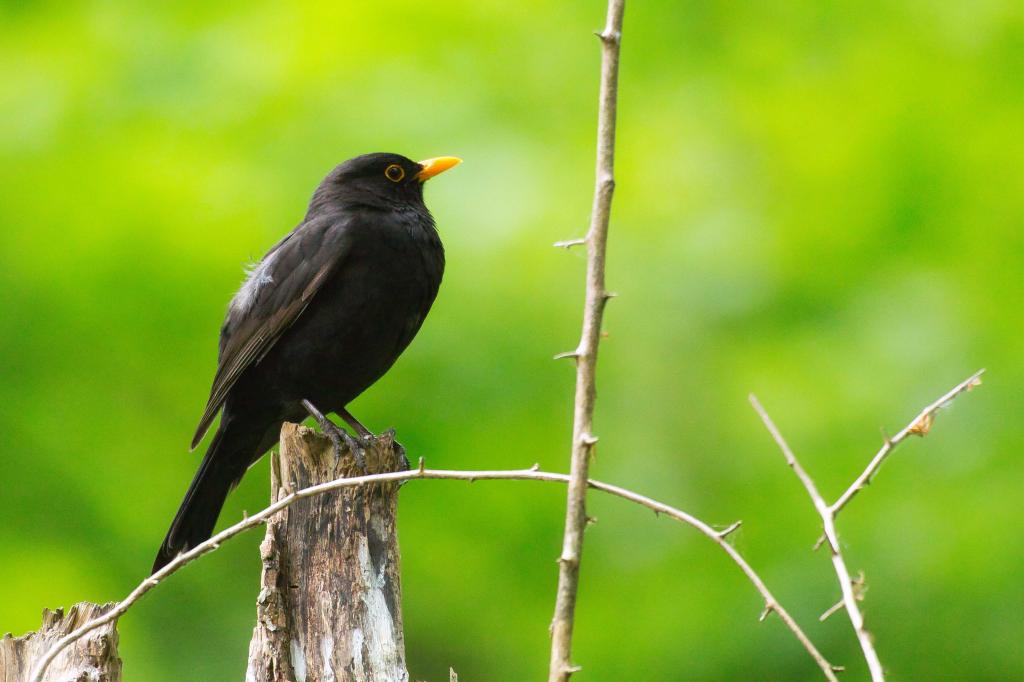 Blackbird
 -
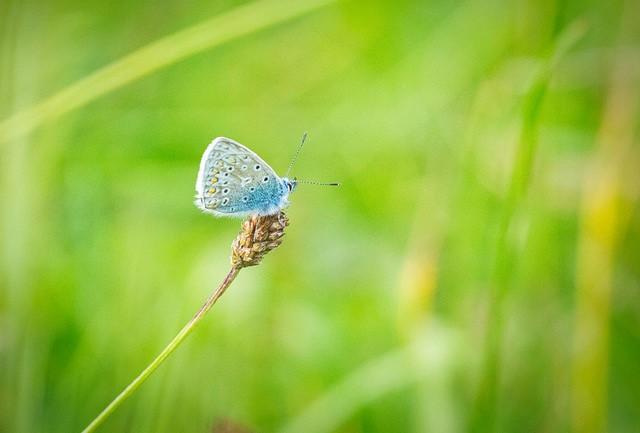 Butterfly
 -
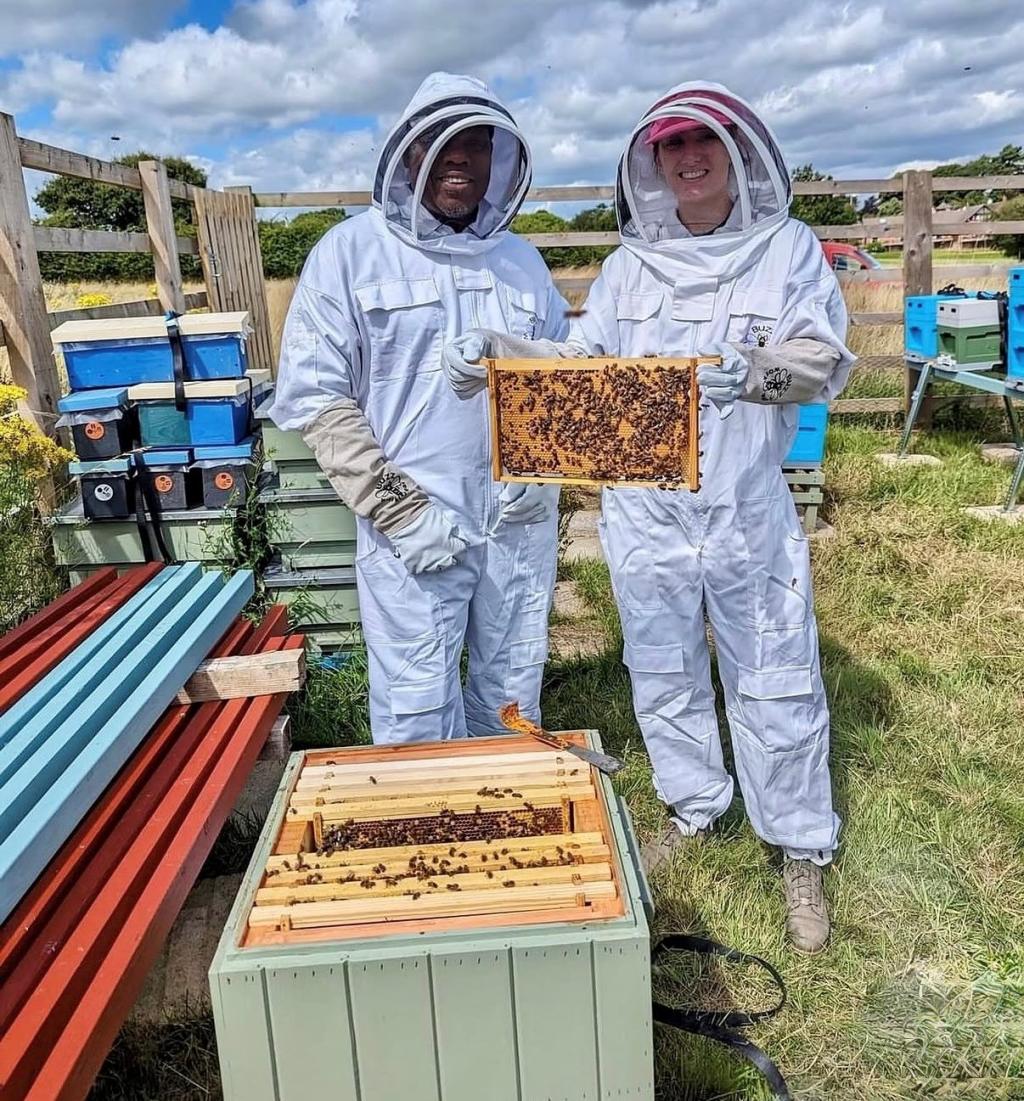 Chefs with Bees
 -
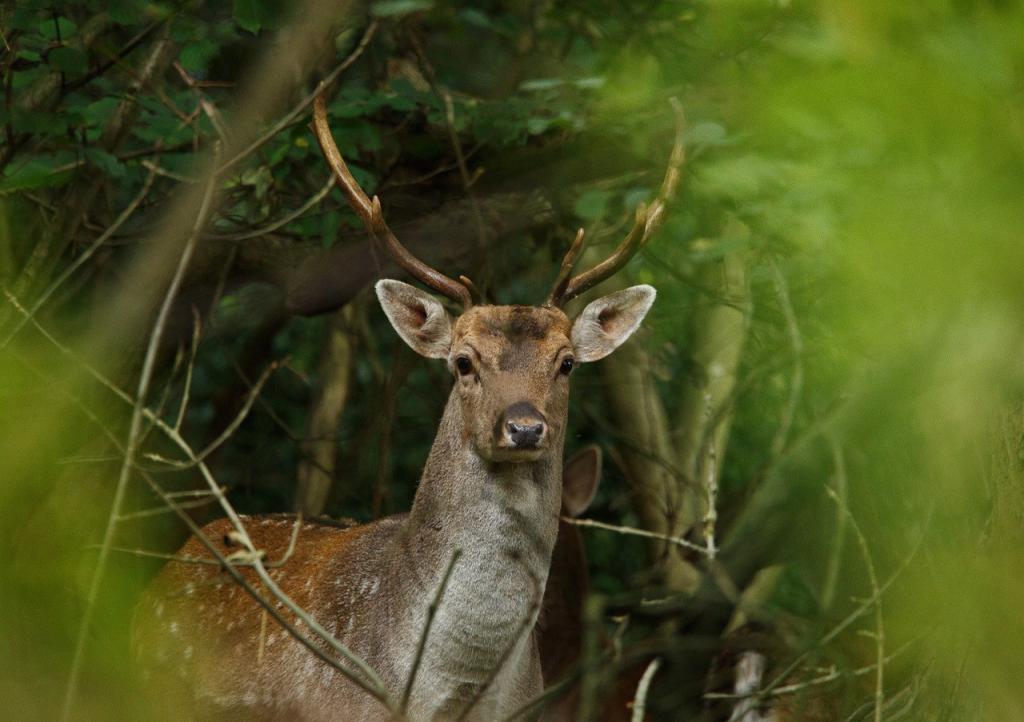 Deer
Deer -
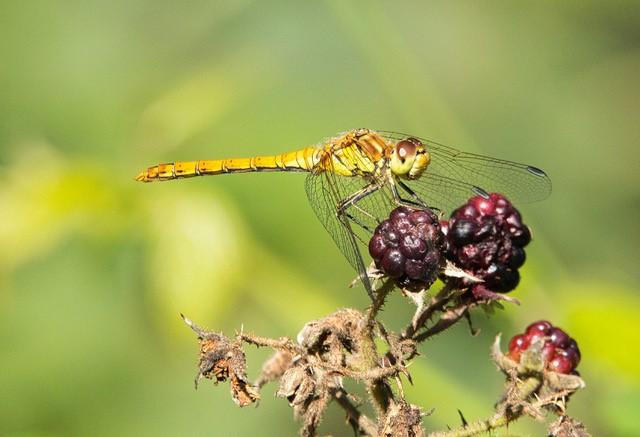 Dragonfly
 -
 Electric Charging Point
 -
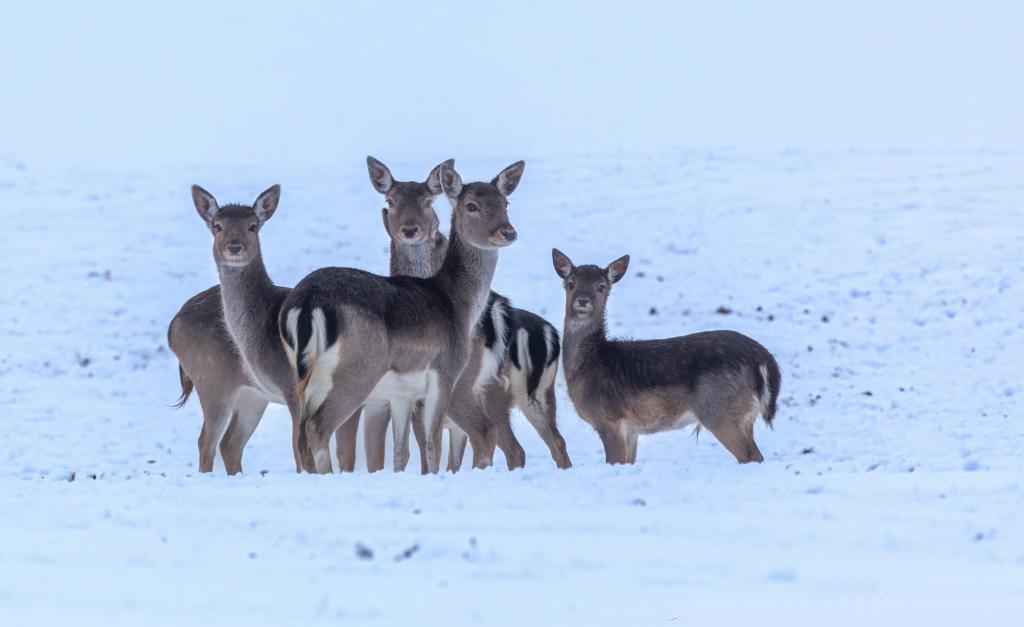 Fallow Deer Group
 -
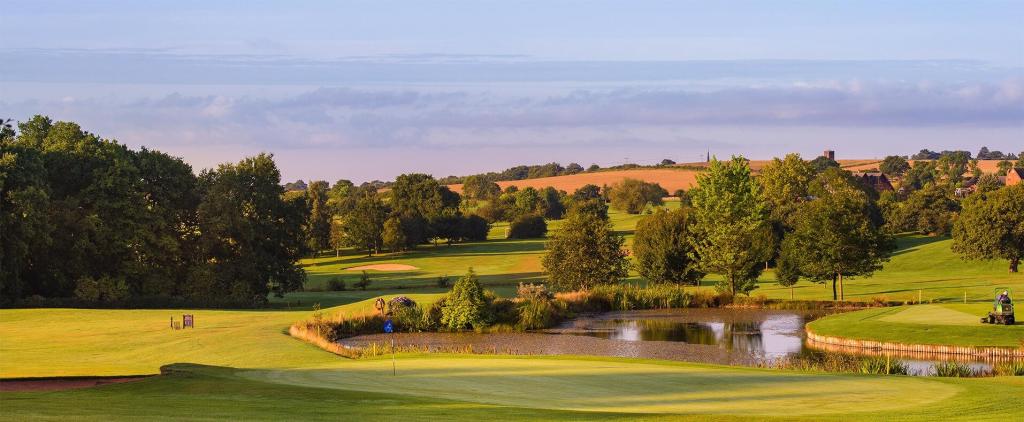 Morley Hayes Golf Course
 -
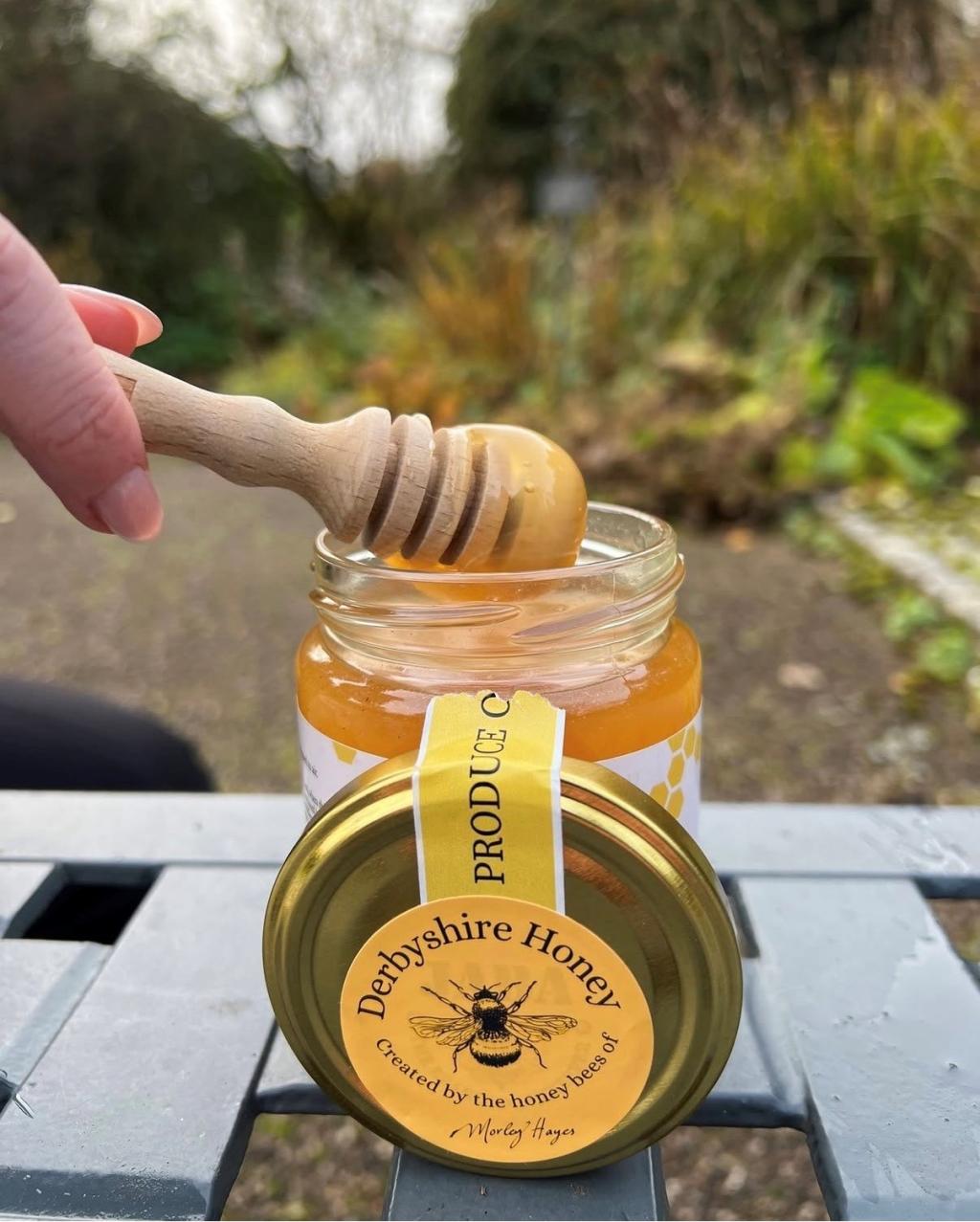 Morley Hayes Derbyshire Honey
 -
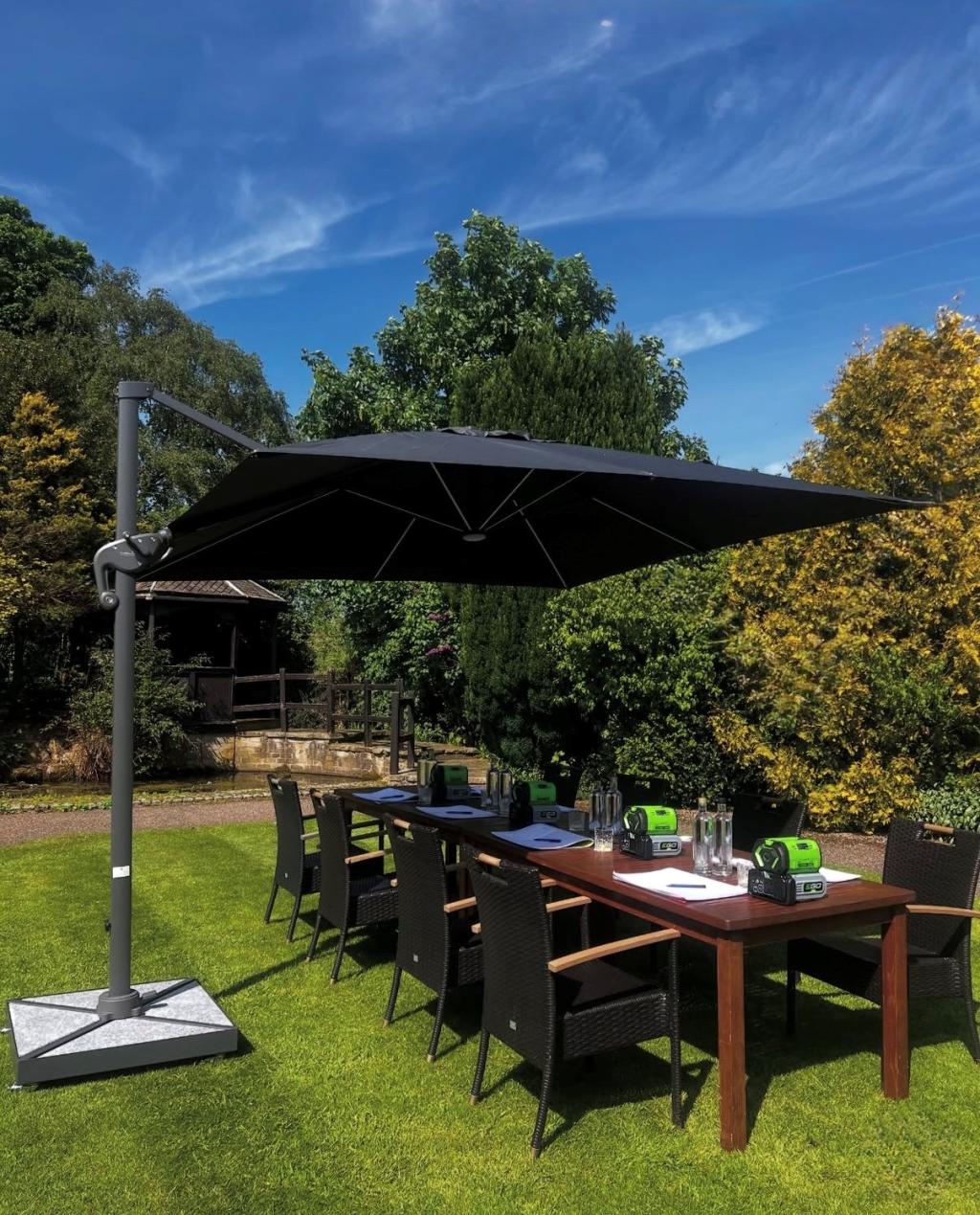 Outdoor Meeting
 -
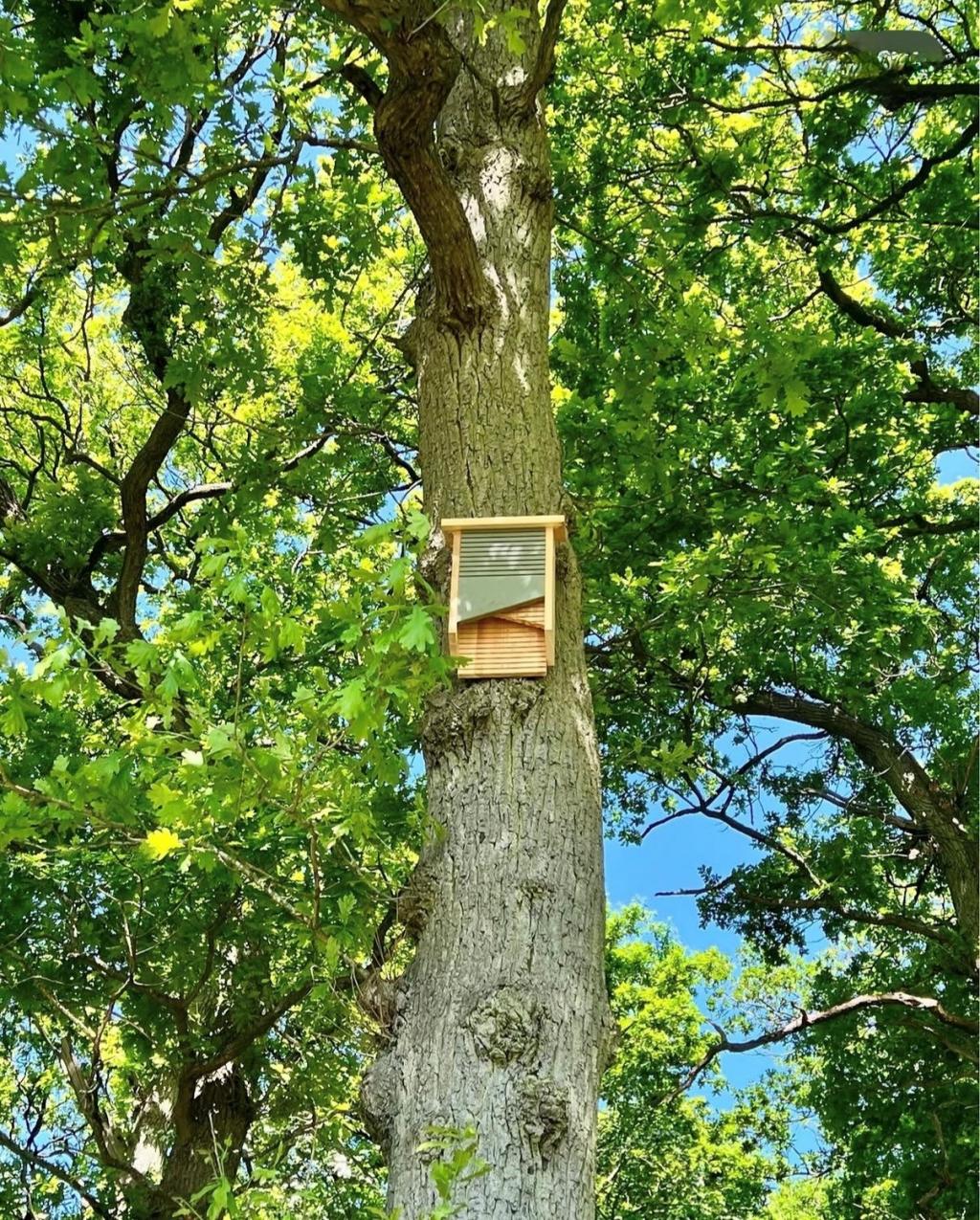 Owl Box
 -
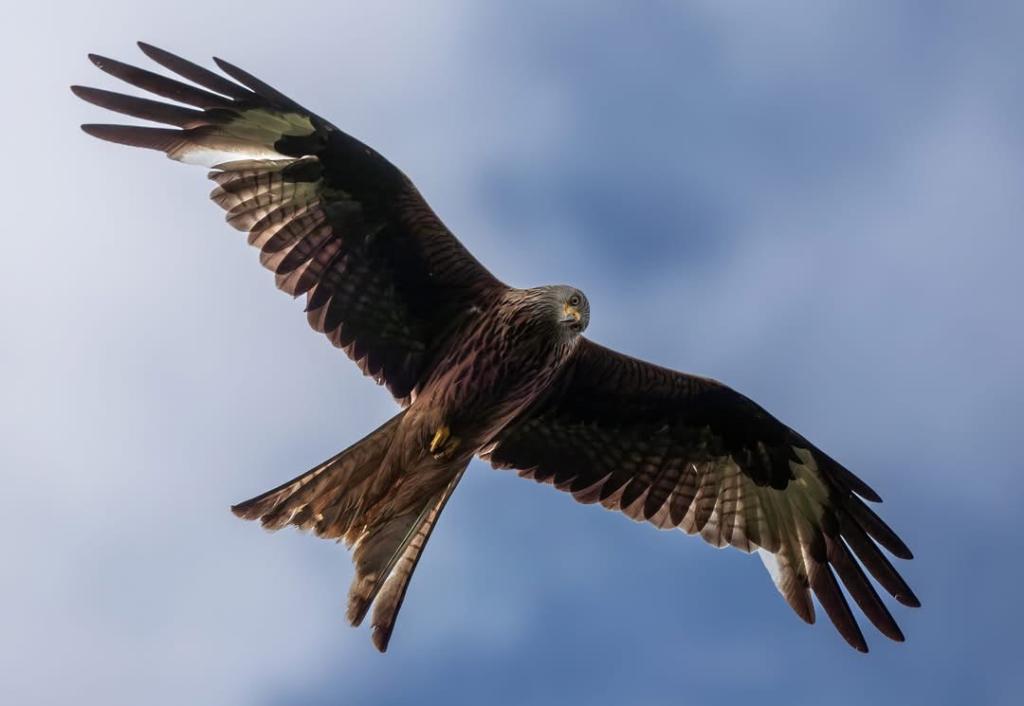 Red Kite
 -
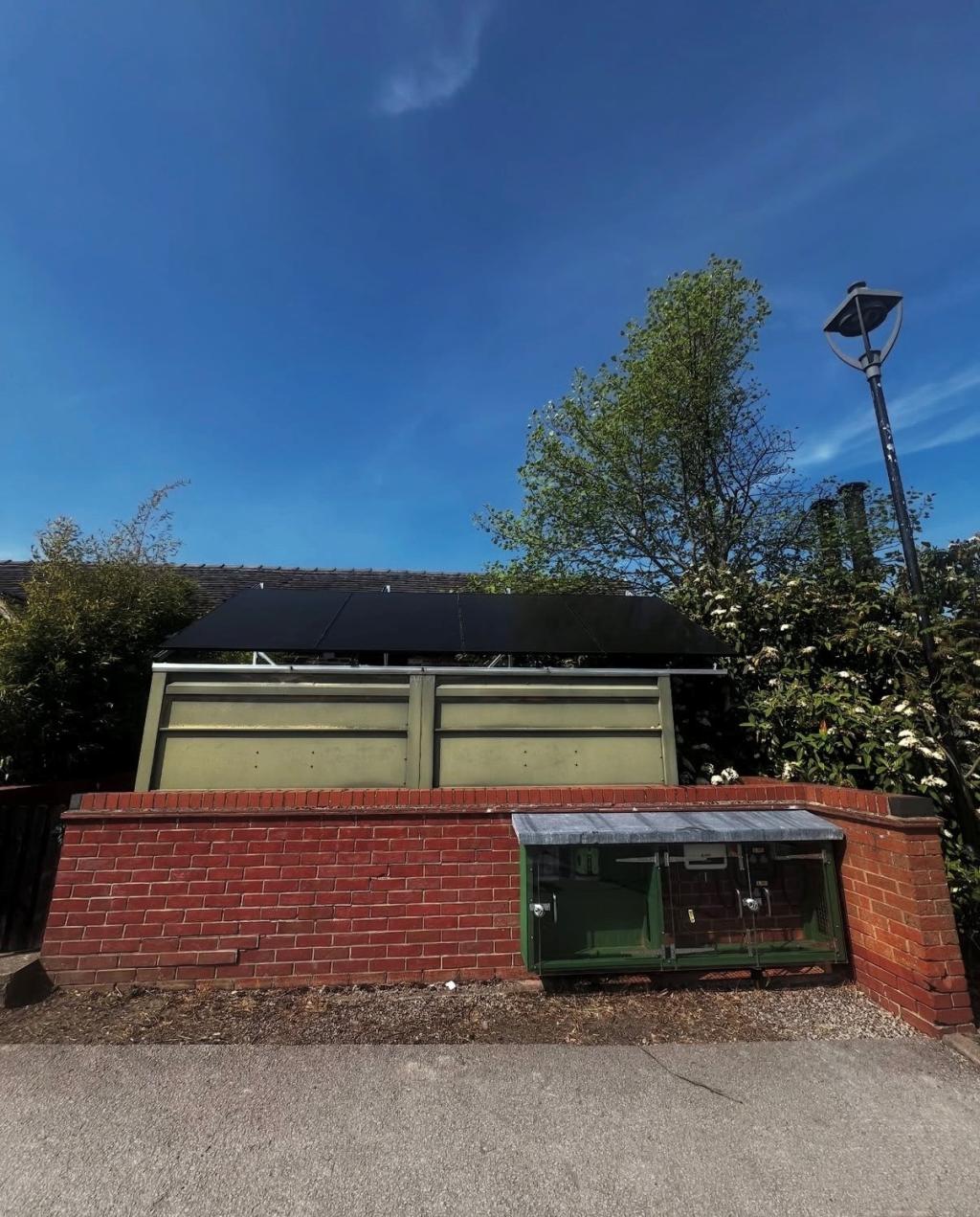 Solar Panels
 -
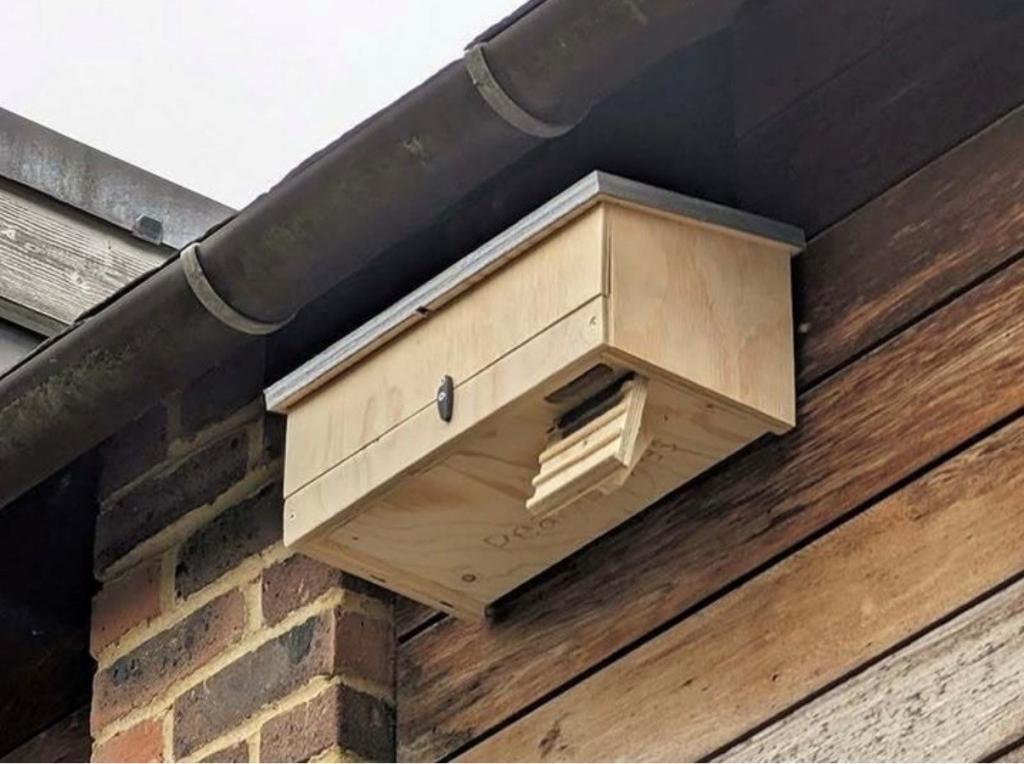 Swift Box
 -
 wildflowers-lake